
June Gardening Tips for Colorado Gardens
Garden Wise Guy – Denver Edition
June is when Colorado gardens officially wake up and take off. Warm days, cool nights, intense sunshine, afternoon hailstorms, drying winds, and unpredictable rain all combine to make Front Range gardening a little different than almost anywhere else in the country. Here are a few smart June gardening tips to help your vegetables, flowers, lawns, trees, shrubs, and patio pots thrive this month.
Water Deeply — Not Daily
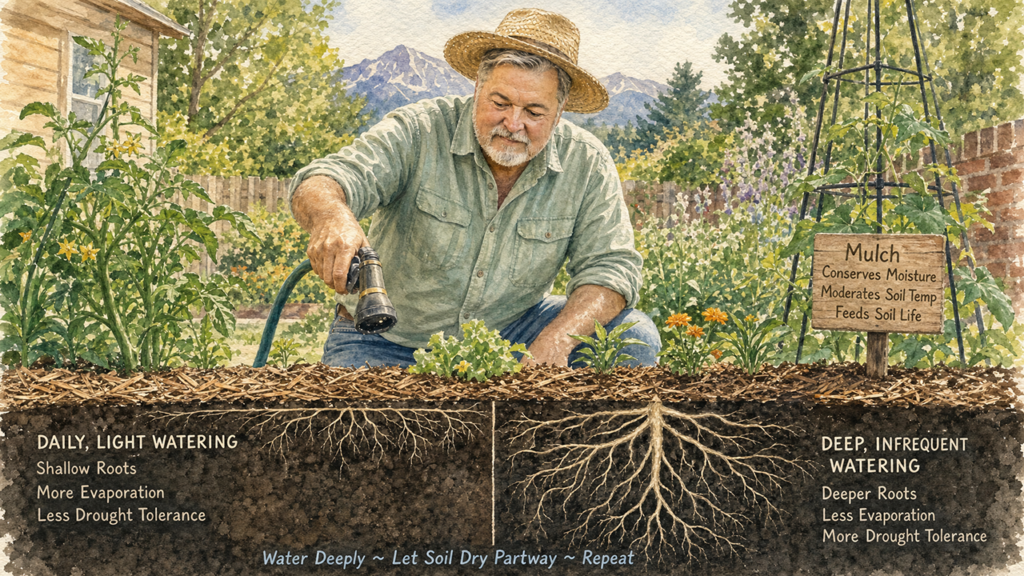
One of the biggest mistakes Colorado gardeners make is shallow daily watering. Deep watering encourages stronger roots that can handle summer heat and drought much better. Let the soil dry slightly between waterings whenever possible.
Mulch Everything
Mulch is your best friend in June. Add 2–3 inches around vegetables, shrubs, perennials, and trees to help:
- Conserve moisture
- Cool the soil
- Suppress weeds
- Reduce watering needs during drought restrictions
Don’t Panic Over Afternoon Wilting
Many plants naturally wilt during the hottest part of the day, especially in Colorado’s dry climate. Always check the soil before watering. Wilting does not automatically mean dry soil.
Feed Patio Pots Regularly
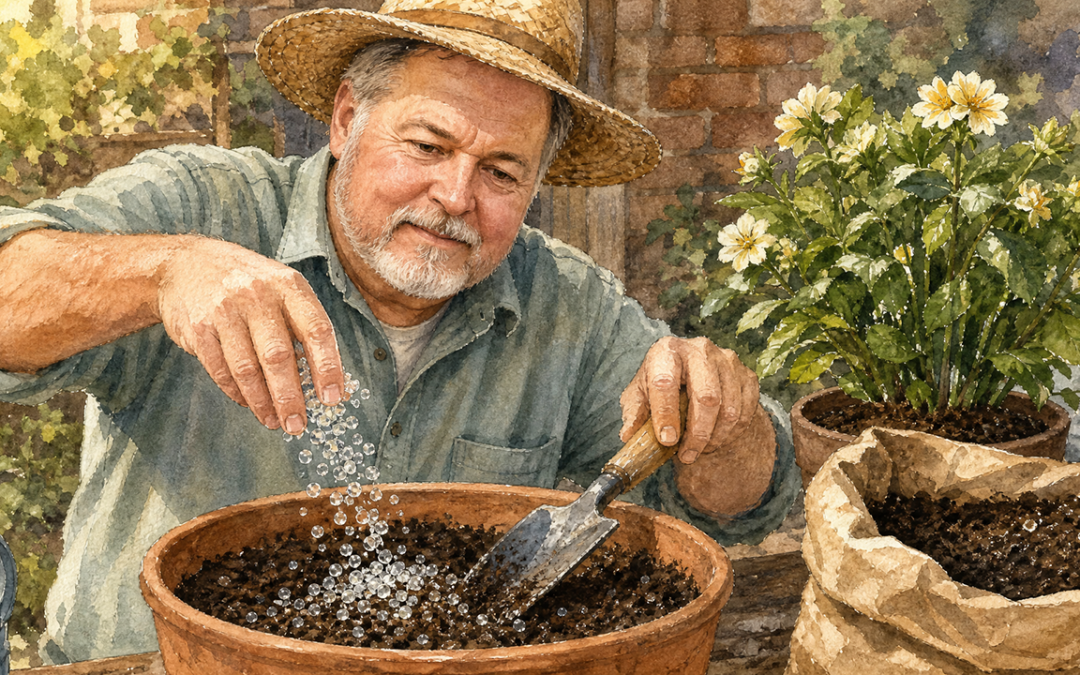
Containers lose nutrients quickly because frequent watering flushes fertilizer out of the soil. Feed patio pots and hanging baskets weekly at about half strength with a balanced liquid fertilizer to keep blooms and vegetables producing.
Watch Patio Pots Closely During Heat
Small containers dry out incredibly fast in Colorado sunshine and wind. Some pots may need watering twice daily during hot spells, especially hanging baskets and terra cotta containers.
Plant Warm-Season Vegetables Now
June is prime planting time for:
- Tomatoes
- Peppers
- Squash
- Cucumbers
- Beans
- Pumpkins
- Corn
Warm soil helps vegetables establish quickly and grow aggressively.
Start Succession Planting
Don’t stop planting after Memorial Day. Continue sowing lettuce, radishes, carrots, spinach, and bush beans every couple of weeks for a continuous harvest through summer and into fall.
Deadhead Perennials for More Blooms
Remove spent flowers from salvia, penstemon, coreopsis, dianthus, and other blooming perennials to encourage additional flowering and keep plants looking tidy.
Prune Spring-Flowering Shrubs After Bloom
Lilacs, forsythia, and other spring bloomers should be pruned shortly after flowering finishes. Waiting too long can remove next year’s flower buds.
Thin Fruit on Apple and Peach Trees
If your fruit trees are overloaded with developing fruit, thin them now. Fewer fruits mean larger, healthier fruit and less stress on branches later in summer.
- Apples: No more than 2 fruits per cluster — one is even better.
- Peaches: Thin fruit to at least 6 inches apart for the best quality fruit and to reduce weight that can cause branch breakage.
Watch for Aphids
June aphid populations can explode quickly on roses, milkweed, vegetables, and perennials. A strong blast of water often controls them naturally before chemicals are needed.
Raise Lawn Mower Height to 3″
Taller grass shades the soil, reduces evaporation, and develops deeper roots. Avoid cutting more than one-third of the lawn height at a time during summer heat.
Fertilize Lawns Lightly
Heavy fertilizer applications during summer heat can stress lawns. Use slow-release fertilizer sparingly and water deeply after application to move the nutrients into the soil.
Enjoy Your Garden
June is when the hard work of spring finally starts paying off. Take time to sit outside, enjoy the flowers, listen to the pollinators, and appreciate everything growing around you. Gardens are supposed to be enjoyed — not just maintained.
Gardening isn’t just a hobby… it’s a lifestyle.
Stay Garden Wise, My Friends
Keep your shovel sharp, be careful where you dibble, and stay Garden Wise.
Radio Show
Saturday Mornings
Catch The Garden Wise Radio Show for practical garden talk.
Shop Now
Garden Lifestyle Gear
Browse Clever Gardening tees, hats, and gifts.