
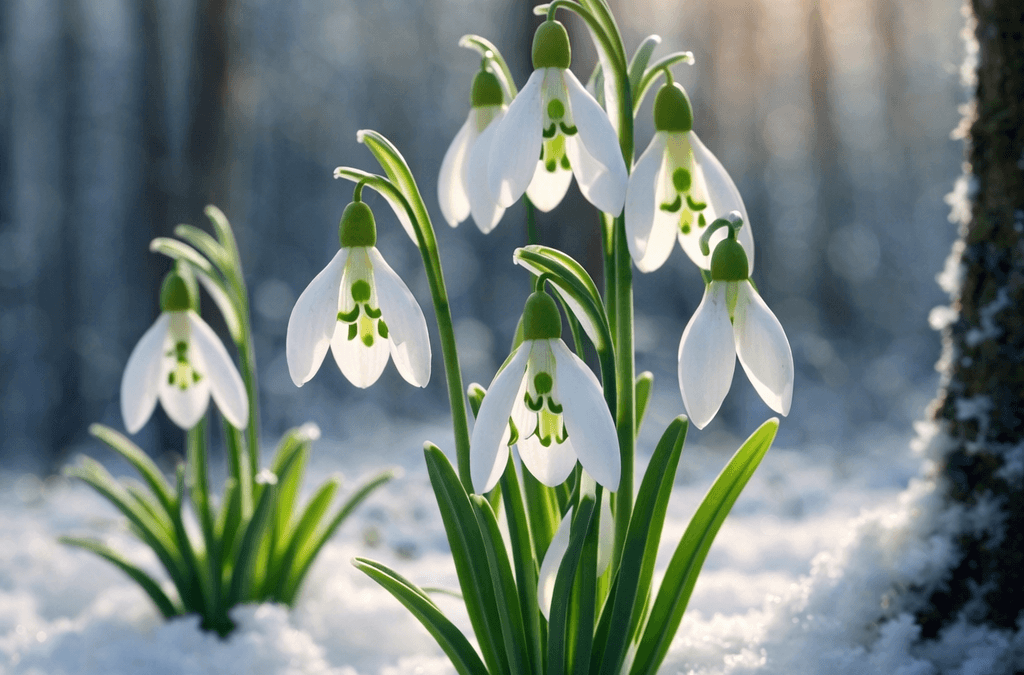
Snowdrops (Galanthus) — The Tough Little Bulb That Laughs at Winter
Snowdrops (Galanthus) How to: Plant, Grow, Naturalize & Multiply These Early Spring Bulbs
There are a few moments in gardening that never get old. One of them? Seeing the first snowdrops push through frozen ground like they’ve got something to prove. While the rest of the landscape still looks tired and gray, these little white bells pop up and say, “Relax. Spring is on the way.” That’s the magic of Galanthus — better known as snowdrops.
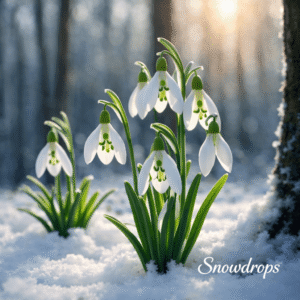
The First Sign of Life (When You Need It Most)
Depending on the species and cultivar, Snowdrops bloom in late winter to earliest spring — often in February here in colder climates. They don’t wait for perfect conditions. They bloom through snow, frost, and cold soil without complaint. And once you plant them? They’re not going anywhere. One bulb becomes two. Two become five. Five become a drift. Sometimes the math gets a little creative, but over time snowdrops almost always naturalize beautifully.
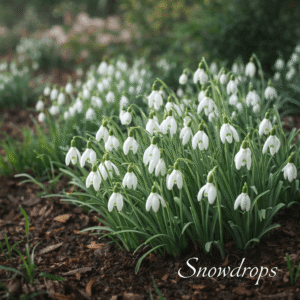
A Simple Bulb with a Not-So-Simple World
Most gardeners know the common snowdrop, Galanthus nivalis — the most widespread species. But here’s where things get interesting. There aren’t just a handful of snowdrops.
There are:
- 20+ species
- Hundreds of named cultivars
- Collectors who will happily pay triple digits for a single bulb
Yes, really. There are yellow-marked forms. Doubles. Extra-wide petals. Giant forms. Green-heavy forms. Some lightly scented. Some rare enough to require an auction paddle. The plant world has its own version of Tulip Mania quietly humming along — and snowdrops are at the center of it. Gardeners who truly fall for them even have a name: Galanthophiles.
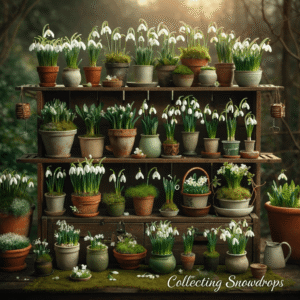
The most common species of snowdrop is Galanthus nivalis (Common Snowdrop), widely recognized for its early, nodding white flowers and ease of cultivation. Other frequently found species include Galanthus elwesii (Giant Snowdrop) and Galanthus plicatus, which are popular in gardens and often hybridize, resulting in hundreds of distinct cultivars.
Key Snowdrop Species and Varieties
Galanthus nivalis (Common Snowdrop)
Native to Europe, this is the most widespread species, growing 3-6 inches tall. It is highly valued for naturalizing in woodlands and lawns.
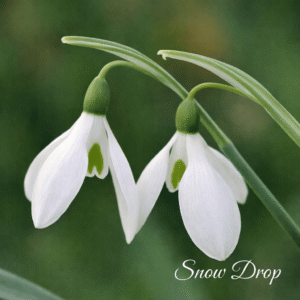
Galanthus elwesii (Giant Snowdrop)
Known for larger, 1.5-inch flowers and broader leaves, it blooms slightly later than G. nivalis and tolerates warmer weather better.
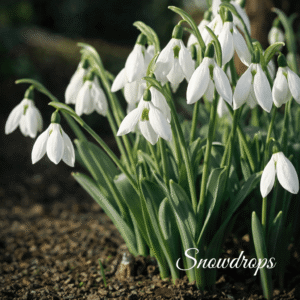
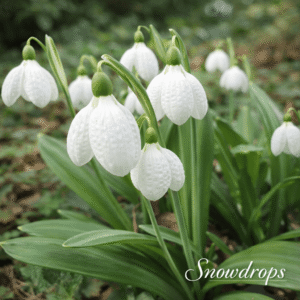
Galanthus plicatus (Pleated Snowdrop)
Recognized by its distinctly folded (plicate) leaf edges.
How Snowdrops Multiply (And Why They’re So Reliable)
Snowdrops spread in two ways:
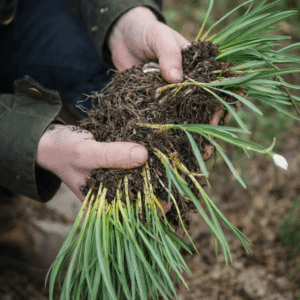
1️⃣ Bulb Division
Each bulb typically splits into two or three each year. That’s your steady colony builder. Once a clump is well established, it can be lifted and divided into smaller clumps to spread around the landscape. This is best done immediately after the flowers fade while the foliage is still green.
2️⃣ Seed
They also produce seed pods. Ants help disperse the seeds (a process called myrmecochory), which explains how colonies slowly wander. Seed-grown plants may take up to 5–7 years to bloom — but occasionally you’ll get a surprise variation in markings or size.
Where Snowdrops Grow Best
Snowdrops are native to parts of Europe and western Asia but have been naturalized for centuries.
They prefer:
- Light woodland conditions
- Deciduous tree cover
- Undisturbed soil
- Organic matter / leaf humus
- Good drainage
They are not fussy about pH, which surprises people. They thrive in that sweet spot where winter sun hits the ground before trees leaf out.
Lawn Planting — Yes, But Read This
You can grow snowdrops in a lawn.
But you must:
- Avoid pre-emergent herbicides
- Avoid broadleaf weed sprays
- Delay mowing until foliage yellows naturally
Like all bulbs, snowdrops need their leaves to photosynthesize and recharge next year’s bloom. Cut them down too early and you’re weakening next year’s show. This is where many gardeners accidentally sabotage their colony.
Design Ideas (Garden Wise Guy Style)
If I were starting fresh, I’d consider:
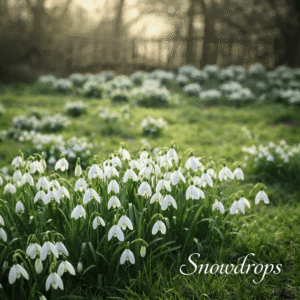
- Naturalizing under deciduous trees
- Edging a woodland path
- Tucking them into raised beds for a collector display
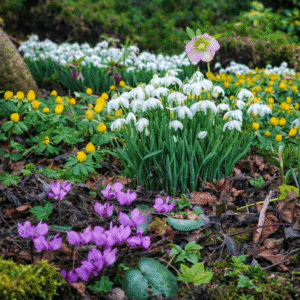
- Interplanting with crocus, miniature daffodils, and early tulips
For the best effect, plant in clusters of a dozen bulbs or more.
Because snowdrops bloom first, they set the stage. They’re the opening act that makes everything else feel like a celebration.
The Collector Culture
In the UK and Germany, snowdrops are practically a spring sport. Open gardens, Snowdrop Days, rare bulb auctions — it’s a whole world. Some bulbs have sold for thousands. That doesn’t mean you need to go down that rabbit hole. But it does mean there’s more depth to this humble white flower than most gardeners realize.