
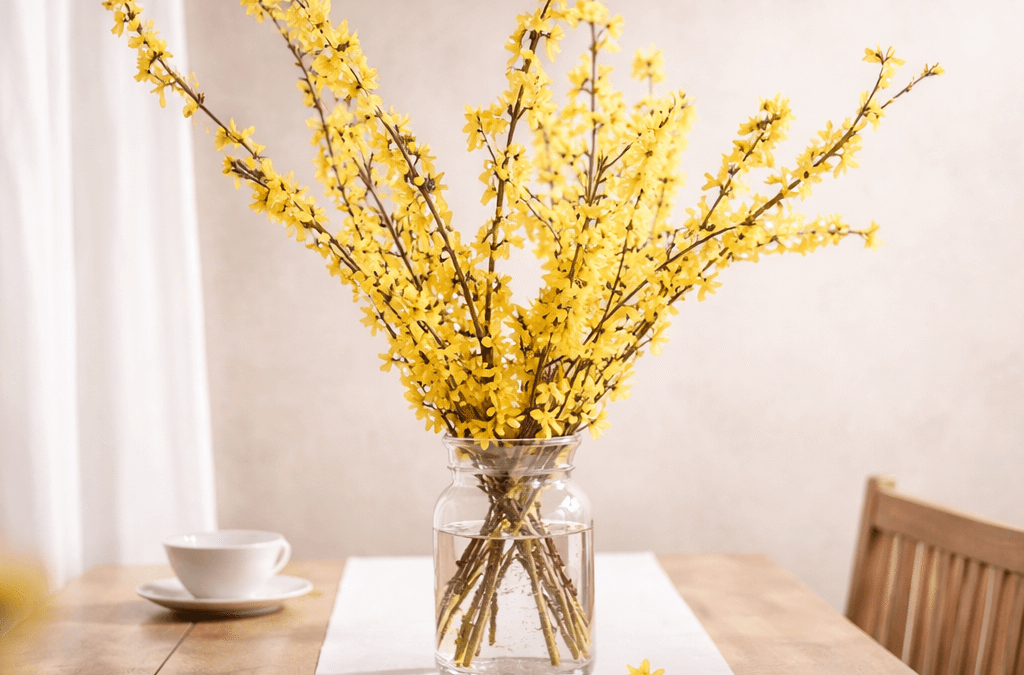
Forsythia: Colorado’s Original Spring Starter
 If spring had a starter pistol, forsythia would be the one firing it. Every year, right when Colorado winters start overstaying their welcome—usually somewhere between late February and early April depending on your elevation and where you sit on the Front Range—those bright yellow flowers burst open on bare stems. No leaves, no warm soil, no excuses. Forsythia doesn’t wait for permission. It just blooms.
For Colorado gardeners who’ve endured enough gray skies and freeze-thaw cycles to last a lifetime, that first pop of yellow is genuinely therapeutic. This shrub has been a staple in Mountain West gardens for generations for one simple reason: it works. It’s tough, dependable, and generous with flowers when gardeners need encouragement the most.
Where Forsythia Comes From
Forsythias hail mostly from eastern Asia—China, Korea, and Japan—with one outlier species native to southeastern Europe. In the wild, they grow along woodland edges and rocky slopes, which explains a lot about their personality in Colorado landscapes. They’re adaptable, unfussy, and comfortable in less-than-perfect conditions—and if you’ve ever tried to garden at 5,500 feet with UV that’ll fry a tender plant by noon, “unfussy” is high praise.
Most of the forsythias we grow today are hybrids, selected for better bloom, improved cold hardiness, and more manageable sizes for modern gardens. That cold hardiness breeding matters here—Colorado’s late cold snaps can wipe out flower buds on less-adapted plants.
 Size, Shape, and What to Expect
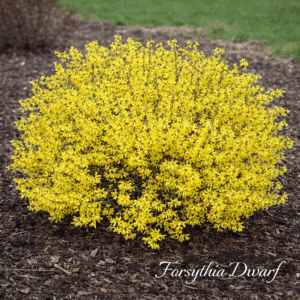
Forsythia is a deciduous shrub with an upright, arching, fountain-like habit. Depending on the variety, it can range anywhere from a polite 2 feet to a sprawling 10 feet tall and wide. If you’re working with a typical Front Range lot or a foundation planting along a south-facing wall, variety selection matters more than most people realize.
Leaves emerge after flowering and stay a clean, medium green through summer. If the plant looks wild or woody, that’s not a flaw—that’s a sign it’s begging for proper pruning.
Those Famous Yellow Flowers (and Why Timing Everything)
 Forsythia blooms very early in spring, often before much else in the Colorado landscape has even woken up. Flowers form on last year’s wood—and that one fact is the most important thing to understand about this shrub. Prune it at the wrong time and you’re not just missing flowers; you’re cutting off next year’s show before it ever had a chance.
Those blooms aren’t just good for the gardener’s morale. They’re one of the earliest food sources available for pollinators emerging on the first warm days—a meaningful contribution in Colorado, where early spring forage is limited.
How to Grow Forsythia in Colorado
Good news: forsythia is refreshingly straightforward, and it handles Colorado’s unique growing challenges better than most shrubs.
| Growing Factor | What Forsythia Needs | Colorado Notes |
|---|---|---|
| Light | Full sun for best flowering; tolerates part shade | South or east exposure ideal; intense afternoon sun on west faces can stress plants |
| Soil | Average, well-drained soil | Colorado’s clay soils benefit from compost amendment at planting; avoid boggy areas |
| Water | Moderate while establishing; fairly drought tolerant once settled | Deep, infrequent watering fits our dry climate—don’t pamper it or it gets lazy |
| Hardiness | USDA Zones 4–8; some varieties to Zone 3 | Most Front Range gardeners are Zone 5–6; mountain gardeners need cold-hardy varieties |
| Fertilizer | Rarely needed | A little compost or balanced fertilizer in early spring is plenty if growth seems weak |
Pruning Forsythia: The Make-or-Break Detail
 Here’s where a lot of Colorado gardeners go wrong, and it’s an easy mistake to make. Forsythia blooms on old wood—stems it grew the previous season. That means if you prune in fall, over winter, or get impatient in early spring before it blooms, you’re cutting off your flowers.
The rule: prune right after flowering. In most Colorado Front Range gardens, that window falls sometime in April—though at higher elevations or in late bloom years, it may push into early May. Watch the plant, not the calendar.
Here’s how to approach it:
- Light annual maintenance: Remove up to one-third of the oldest, thickest stems at ground level right after bloom. This keeps the shrub youthful and floriferous without a major overhaul.
- Full rejuvenation: For older, overgrown plants—especially those forsythias that have been sheared into sad little meatballs—cut everything to the ground after bloom. It sounds dramatic, but forsythia bounces back fast and you’ll have an entirely new, flower-ready plant by the following spring.
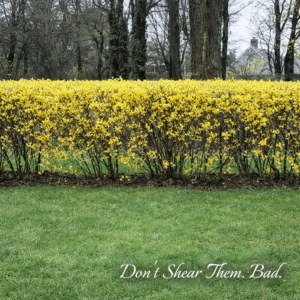
What you should never do: shear forsythia with hedge trimmers like it’s a boxwood. That ruins the natural fountain shape and reduces blooming. Let it grow the way nature intended.
Newer Forsythia Varieties Worth Planting in Colorado
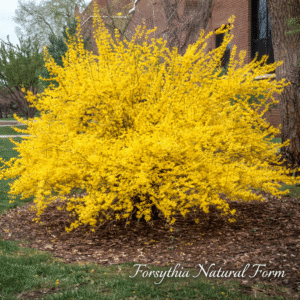 Modern breeding has improved forsythia dramatically, especially for smaller spaces and cold climates—both of which are relevant to Colorado gardeners.
- Show Off® Sugar Baby – Compact at 2–3 feet tall; ideal for foundation plantings and smaller Front Range lots where the old-fashioned 8-foot monsters just don’t fit
- Show Off® Starlet – Exceptionally cold-hardy and reliable even after tough Colorado winters; a smart pick for gardeners at higher elevations
- Gold Tide® – Low, spreading form that works beautifully on slopes and for erosion control—useful on the grades and hillside lots common across the foothills
- Northern Gold – Selected specifically for dependable bloom after hard winters; a longtime reliable performer in cold climates throughout the Mountain West
Best Ways to Use Forsythia in the Colorado Landscape
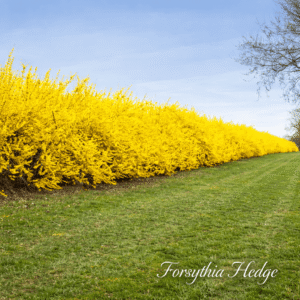 Forsythia is a workhorse shrub that earns its keep in several garden roles:
- Informal hedges and screens along property lines or driveways
- Mixed shrub borders where early color anchors the spring display
- Slopes and erosion control—especially with spreading varieties like Gold Tide®
- Foundation plantings (stick with compact varieties so you’re not pruning it away from your windows every summer)
One strong recommendation: let forsythia grow naturally. Its arching, fountain-like form is part of its charm. The shrubs you see sheared into tight blobs? That’s not forsythia’s fault—that’s a pruning decision that costs you flowers and character both.
Forcing Forsythia Indoors: Stealing a Little Spring Early
Here’s one of the most satisfying tricks in the Colorado gardener’s playbook: cutting forsythia stems in late winter and coaxing them into bloom indoors—weeks before the ground thaws or a single flower opens outside. Given how long our winters can drag on along the Front Range, this is practically a survival skill.
Here’s how to do it right:
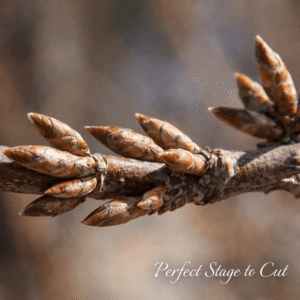
- Timing matters. Wait until buds are clearly formed and slightly swollen—in Colorado, that’s typically late January through February depending on the year. Cut too early and you’ll get stems, but not many flowers.
- Choose the right wood. Select healthy, pencil-thick stems with plenty of visible buds. This is also a sneaky way to get some early pruning done without feeling guilty about it.
- Make a clean cut. Take stems 12–24 inches long. Once inside, recut the base at an angle and, if you like, lightly split the bottom inch to improve water uptake.
- Warm them up gradually. Start stems in cool water in a cool room for a day or two before moving them into normal room temperatures. This mimics Colorado’s gradual transition from winter cold—and forsythia responds to it naturally.
- Change the water. Fresh water every couple of days keeps stems from rotting before they have a chance to bloom.
- Be patient—but not too patient. Forsythia typically flowers indoors within 7–14 days, depending on how close the buds were to opening when you cut them.
The payoff: when those yellow flowers open inside while snow is still on the ground outside, it feels like you’ve outsmarted winter entirely. Which, frankly, is a very Garden Wise thing to do.
Forsythia isn’t flashy or fashionable—it’s timeless, and that’s exactly why it’s lasted. Give it sunlight, room to grow, and the right pruning window, and it will keep announcing spring on the Colorado Front Range long after trendier shrubs have come and gone. Some things just work. Forsythia is one of them.