

View The Video: Those Dreamy Fragrant Daphnes.
Every now and then, a plant comes along that makes you stop in your tracks, not because it is screaming for attention, but because it quietly perfumes the whole corner of the garden. That is Daphne shrubs. If you are looking for fragrant Daphne shrubs that can work in a Colorado garden, especially along the Front Range, this is one of those plants worth knowing.
Daphne shrubs are hidden gems that too many gardeners overlook, especially in colder Zone 5 landscapes. They are not always sitting front and center at every garden center, and some folks assume they are too fussy for our climate. But when you choose the right variety and put it in the right spot, Daphne can be a wonderful addition to the garden.
The big payoff is fragrance. We are talking about that sweet, jasmine like scent that catches you by surprise in early spring, right when your gardening heart needs a little encouragement.
Quick Answer: Can You Grow Fragrant Daphne Shrubs in Colorado?
Yes, you can grow fragrant Daphne shrubs in Colorado, especially in Zone 5 gardens, if you choose a winter hardy variety like Daphne ‘Carol Mackie’ and plant it in a protected location with excellent drainage. Daphne does not like wet feet, so raised beds, slopes, berms, and well drained planting areas are best. Once planted, leave it alone, because Daphne prefers not to be moved.
What Makes Daphne So Special?
Daphne is not the kind of shrub everyone has in the neighborhood, and that is part of the charm.
These plants are known for:
- Sweet, powerful fragrance
- Early spring blooms
- Attractive foliage
- Compact growth habits on many varieties
- Some shade tolerance
- Placement potential near patios, walkways, and entryways
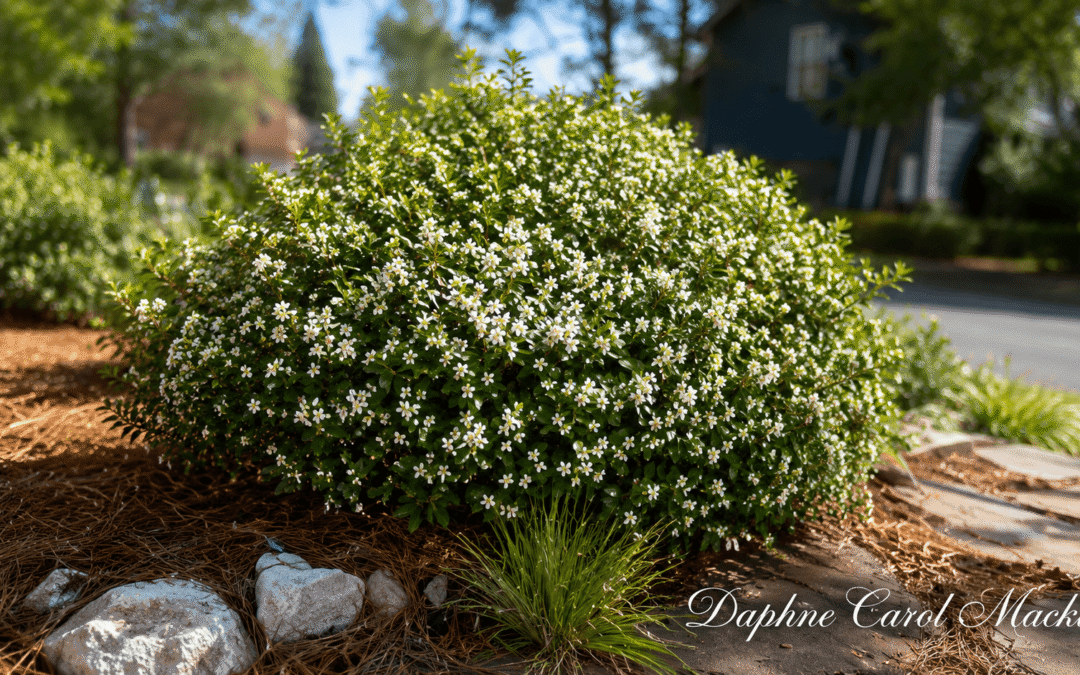
The fragrance is the reason most gardeners fall in love with them. In the video, I showed a Daphne ‘Carol Mackie’ growing in Centennial, Colorado in the middle of April. That shrub was blooming beautifully and giving off a fragrance that reminded me of jasmine.
And here is the real kicker. That plant was not basking in all day sun. It was tucked under a big pine tree, with another pine nearby and a locust tree close as well. In other words, it was living in a fairly shady spot and doing just fine.
Meet Daphne ‘Carol Mackie’
 One of the best known Daphne varieties for colder gardens is Daphne x burkwoodii ‘Carol Mackie’.
This is a variegated Daphne, which means the leaves have attractive coloring that adds interest even when the plant is not in bloom. In the landscape, a mature ‘Carol Mackie’ can become a beautiful rounded shrub, reaching roughly 3 to 4 feet tall and spreading wider with age when it is happy.
In the video example, the plant was approaching 4 feet tall and about 5 to 6 feet across. That is a nice size for a fragrant accent shrub, especially near a patio, walkway, front entry, or garden seating area.
Why Colorado Gardeners Like ‘Carol Mackie’
Daphne ‘Carol Mackie’ is worth considering because it offers:
- Beautiful variegated foliage
- Strong spring fragrance
- A graceful mounded shape
- Good performance in Zone 5 when properly placed
- Light shade tolerance
- A more unusual look than common landscape shrubs
It is not a plant you want to throw into just any old wet spot and hope for the best. But give it the right home, and it can reward you for years.
Where to Plant Daphne for the Best Fragrance
With Daphne, location matters more than almost anything else.
If you want to enjoy the fragrance, do not hide the plant way out in the back corner where nobody walks. Put it where your nose can find it.
Great spots include:
- Near a front entry
- Along a garden path
- Beside a patio
- Near a porch
- Close to a seating area
- Along a shaded walkway
- Near a window that opens in spring
You want that fragrance to be part of the experience. Daphne is not just a plant to look at. It is a plant to encounter.
Daphne Likes Drainage, Not Wet Feet
If there is one thing to remember about growing Daphne in Colorado, it is this:
Daphne needs excellent drainage.
Daphne shrubs are not dryland plants, but they do not want to sit in soggy soil either. That is where many gardeners get into trouble. The plant needs moisture, but it also needs oxygen around the roots. Constantly wet soil can lead to root decline and plant failure.
That matters here along the Front Range because many gardens have heavy clay soil. Clay can be very productive when managed correctly, but if you create a soggy planting pocket, Daphne will not thank you for it.
Good planting locations include:
- Raised beds
- Slight slopes
- Berms
- Well amended garden beds
- Areas where irrigation does not puddle
- Protected spots with consistent but not excessive moisture
Avoid planting Daphne in:
- Low spots where water collects
- Heavy clay that stays wet
- Areas hit by roof runoff
- Overwatered lawn edges
- Poorly drained foundation beds
Daphne is a bit like that garden guest who is delightful at dinner, but very particular about the chair. Get the seating wrong, and things go downhill quickly.
Sun or Shade: What Does Daphne Prefer in Colorado?
 One of the nice surprises about Daphne is that some varieties can tolerate more shade than people expect.
In the video, the ‘Carol Mackie’ Daphne was growing under pine trees with very little direct sun. It was still full, attractive, and blooming well.
That does not mean every Daphne should be planted in deep shade, but it does mean you have options.
In Colorado, Daphne may appreciate:
- Morning sun with afternoon shade
- Bright filtered light
- High shade under open trees
- Protected areas away from intense reflected heat
- Some shelter from drying Front Range winds
Full blazing afternoon sun, especially in hot, dry, exposed spots, may be stressful. Colorado’s high altitude sun and UV intensity can be tough on plants that prefer a little protection. A spot with morning light and afternoon relief can be a very good compromise.
What About Dwarf Daphne?
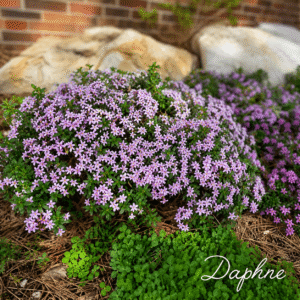
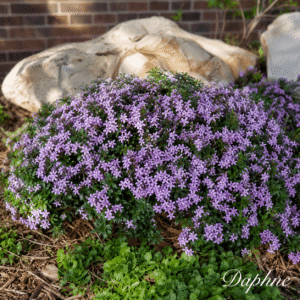
In addition to ‘Carol Mackie,’ there are dwarf Daphne varieties that stay much smaller. In the video, I showed dwarf Daphnes growing under pine trees as well.
These were only about 10 inches tall, even after many years. That makes them useful in small garden spaces where you want fragrance without a big shrub taking over.
Dwarf Daphne can offer:
- Compact growth
- Evergreen or semi evergreen foliage depending on variety and climate
- Early blooms
- Repeat blooming on and off during the season in some cases
- Excellent fragrance in a small package
They can come in shades of purple, from lighter lavender tones to deeper purples. For gardeners who like small treasures tucked along pathways, near stonework, or under high shade, dwarf Daphne can be a fun plant to explore.
Start Small for Better Daphne Success
This may sound backward, but with Daphne, bigger is not always better.
A smaller plant in a 4 to 6 inch pot may establish more reliably than a large specimen. Daphne can be sensitive about root disturbance, and smaller plants often adjust better to their new home.
The good news is that Daphne can bloom even while young. You do not necessarily have to wait years before you get that fragrant reward.
When shopping, look for:
- Healthy foliage
- No signs of wilting or root rot
- A variety suited for your zone
- A plant that is not overly root bound
- A size you can plant without rough handling
And once it is in the ground, do not keep moving it around. Daphne prefers to stay put.
Daphne Planting Cheat Sheet for Colorado Gardens
| Daphne Need | Best Colorado Practice | Why It Matters |
|---|---|---|
| Light | Morning sun, bright shade, or filtered light | Protects Daphne from harsh afternoon sun and reflected heat |
| Soil | Well drained soil, raised beds, slopes, or berms | Prevents root problems caused by wet feet |
| Water | Consistent moisture without soggy conditions | Helps roots establish while reducing stress |
| Wind protection | Plant near protected beds, fences, trees, or structures | Reduces drying from Front Range wind patterns |
| Winter care | Use light mulch and avoid wet winter soil | Helps buffer freeze thaw cycles without suffocating the crown |
Step by Step: How to Plant Daphne in a Colorado Garden
 Choose the Right Variety
For Colorado Zone 5 landscapes, start by looking for hardy choices such as Daphne ‘Carol Mackie’ or other varieties clearly labeled for your USDA hardiness zone.
Do not assume every Daphne is equally hardy. Read the tag, ask questions at the garden center, and make sure it fits your climate. You can also check your local growing zone through the USDA Plant Hardiness Zone Map.
Pick a Protected, Well Drained Spot
Look for a location with good drainage and some protection from harsh conditions.
Morning sun and afternoon shade can be a great combination. Bright shade can also work, depending on the variety.
Prepare the Soil Without Overdoing It
Daphne does not want swampy soil. If your soil is heavy clay, improve the planting area so water moves through more easily.
You can use organic matter to improve soil structure, but do not create a tiny bathtub of amended soil surrounded by hard clay. Think of improving the whole planting area, not just the hole.
Plant Carefully
Handle the root ball gently. Plant at the same depth it was growing in the pot. Avoid burying the crown too deeply.
Water it in well, then let the soil settle.
Mulch Lightly
Use mulch to help even out soil moisture and protect the roots, but keep mulch away from the base of the plant.
A light mulch layer is helpful. A mulch volcano is not.
Water Consistently, But Do Not Drown It
Daphne is not a cactus. It needs regular water, especially while getting established. But it should never sit in soggy soil.
The goal is steady moisture with drainage.
Common Daphne Mistakes to Avoid
Daphne is not hard if you respect what it wants. Most problems happen when gardeners try to force it into the wrong conditions.
Avoid these mistakes:
- Planting in poorly drained soil
- Overwatering heavy clay beds
- Planting too deeply
- Moving the shrub after it is established
- Choosing a variety not hardy for your region
- Planting in harsh reflected heat
- Hiding it where you cannot enjoy the fragrance
- Buying a huge plant and roughing up the roots during planting
A little patience and a smart planting location will do more than fussing with it every weekend.
Seasonal Timing for Daphne in Colorado
In the Colorado Front Range and similar Zone 5 areas, Daphne can start putting on a show in early to mid spring, depending on the weather and variety.
In the video, the Daphne was blooming in the middle of April in Centennial, Colorado. That is exactly the kind of spring surprise that makes this shrub so rewarding.
Spring is also a good time to shop for Daphne because you can often see or smell what you are buying.
Fall planting can work in some cases, but in colder regions, spring planting gives the shrub a full growing season to settle in before winter. That matters in Colorado, where freeze thaw cycles, dry winter air, and sudden temperature swings can test new shrubs before they are fully rooted.
Regional Considerations for Front Range Gardeners
Colorado gardening is not always gentle. We have intense sun, drying winds, heavy clay soils in many neighborhoods, snow one week, and warm weather the next.
For Daphne, that means placement is everything.
Colorado gardeners should pay special attention to:
- Winter hardiness
- Drainage in clay soils
- Protection from drying winds
- Afternoon shade in hot exposures
- Consistent watering during establishment
- Avoiding wet winter soil around the roots
If your garden has pine trees or high shade, do not assume nothing beautiful will grow there. As shown in the video, Daphne can be surprisingly happy in shaded, protected areas when the soil and moisture are right.
For more Colorado specific shrub and landscape guidance, you can also visit the Colorado State University Extension trees, shrubs, and vines resources.
Keith’s Garden Wise Tip
Plant Daphne where you will actually smell it.
That may sound simple, but it is one of the biggest design mistakes gardeners make with fragrant plants. A fragrant shrub planted in the far back corner is like a radio show with the volume turned down. Put Daphne near a patio, walkway, porch, or entry door so you can enjoy what makes it special.
Great gardens are not complicated. They are well placed, well timed, and enjoyed up close.
Is Daphne Worth Trying in Colorado?
Absolutely, especially if you like plants that feel a little unusual and give you more than just foliage.
Daphne is not the most common shrub in the garden center, and it is not the shrub I would recommend for a soggy problem area. But if you have a protected, well drained spot and you want fragrance in early spring, this plant deserves a look.
For Colorado gardeners, fragrant Daphne shrubs like ‘Carol Mackie’ can bring beauty, scent, and a little garden magic right when the season is waking up.
So go ahead, try something a little different this season. Let fragrance lead the way.
FAQs About Growing Daphne Shrubs in Colorado
Are Daphne shrubs hardy in Colorado?
Some Daphne shrubs can grow successfully in Colorado Zone 5 gardens, especially hardy varieties like Daphne ‘Carol Mackie.’ The key is choosing the right variety and planting it in a protected, well drained location.
Does Daphne need full sun?
Not always. Some Daphne varieties can grow in part shade or bright shade. In hot, dry Colorado conditions, morning sun with afternoon shade or filtered light can be a good choice.
Why do Daphne shrubs fail?
The most common reason Daphne struggles is poor drainage. Daphne does not like wet feet. Heavy, soggy soil can damage the roots and cause the plant to decline.
Can Daphne grow under pine trees?
Yes, Daphne can grow under pine trees if the site has adequate moisture and drainage. In the video example, both ‘Carol Mackie’ and dwarf Daphne were growing under pine trees and performing well.
Should I buy a large Daphne shrub?
Not necessarily. Starting with a smaller 4 to 6 inch plant may lead to better establishment because Daphne can be sensitive to root disturbance. Smaller plants can still bloom while young.
Where should I plant Daphne for fragrance?
Plant Daphne near places you use often, such as patios, entryways, walkways, porches, or seating areas. That way you can actually enjoy the fragrance when it blooms.
Gardening isn’t just a hobby… it’s a lifestyle.
Stay Garden Wise, My Friends
Keep your shovel sharp, be careful where you dibble, and stay Garden Wise.
Radio Show
Saturday Mornings
Catch The Garden Wise Radio Show for practical garden talk.
Shop Now
Garden Lifestyle Gear
Browse Clever Gardening tees, hats, and gifts.