
1. Do Not Trust the Weather; Protect Against Late Frosts
- April in Colorado can be misleading, with warm days followed by a hard freeze.
- Keep frost cloths, sheets, or row covers ready.
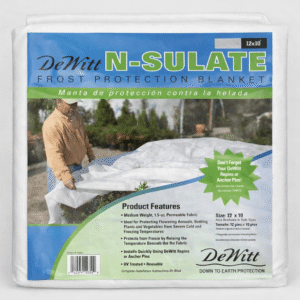
- Cover anything tender when temperatures dip below 32°F.
2. Prep Garden Beds, But Do Not Work Wet Soil
- Wait until the soil crumbles in your hand and is not sticky.
- Add compost now to improve soil structure.
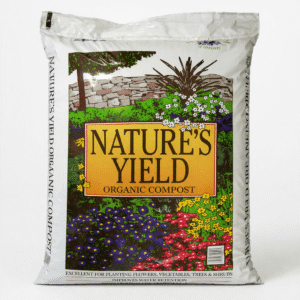
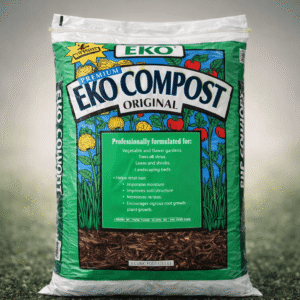
- Lightly turn the soil and do not over-till so you do not disturb soil life.
3. Direct Sow Cold-Hardy Crops Outdoors
- April is the time to plant cool-season crops.
- Direct sow: spinach, peas, radishes, carrots, lettuce, chard, onions, and potatoes.
- Plant transplants: cabbage, cauliflower, and broccoli.
- Plant in succession every 10 to 14 days for continuous harvest.
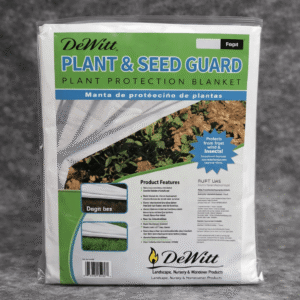
- Use seed guard fabric to speed germination.
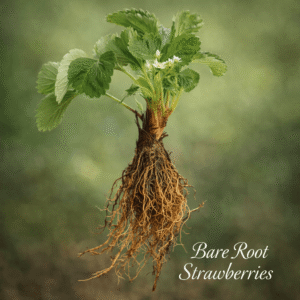
- Plant bare-root plants this month while they are still dormant, including strawberries, raspberries, roses, grapes, and asparagus.
4. Divide Perennials Once You See New Growth
- If your perennials are just emerging, divide hostas, daylilies, goldenrod, mums, and other summer-blooming perennials.
- Replant immediately and water deeply.
- Pot up extras and share them with friends.
- Avoid disturbing spring bloomers like iris, peonies, and oriental poppies.
Digging early spring bloomers now can prevent them from flowering this spring. It is best to wait until after they flower.
5. Start Warm-Season Seeds Indoors, If You Have Not Yet
- It is still a good time to start tomatoes, peppers, and eggplant indoors under lights or on a south-facing windowsill.
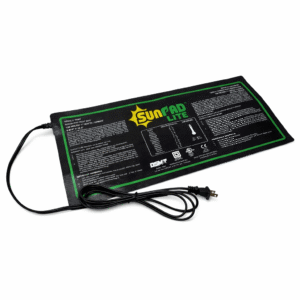
- Use a propagation heat mat and fresh seed for the best germination.
- Wait to start cucumbers, melons, and squash indoors until about 2 weeks before transplanting them outdoors.
6. Prune Trees and Shrubs, But Know Which Ones
- April is ideal for pruning fruit trees such as apple, pear, plum, peach, and grape.
- Prune roses toward the end of the month.
- Remove thin, broken, and dead branches.
- Cut back to outward-facing buds.
- Prune summer-flowering shrubs now, including Rose of Sharon, Butterfly Bush, and Blue Mist Spirea.
Avoid pruning spring bloomers like lilacs now. Anything that flowers before Memorial Day should be pruned immediately after flowering.
7. Turn On Irrigation Carefully
- Check for cracked pipes and leaks, and replace broken heads.
- Run each zone and inspect for even coverage.
- Set your controller for spring watering needs and adjust it as the weather warms and plants begin active growth.
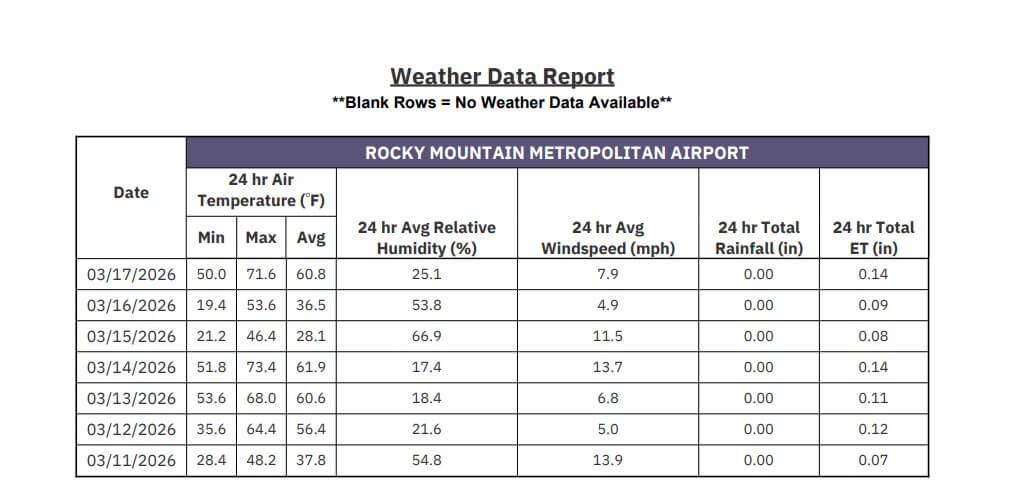
- Use the Denver Water weekly evapotranspiration chart to help determine how much water needs to be applied to replace what was lost the week before.
- Weather Data Report
8. Apply Pre-emergent for Crabgrass
Timing is everything: If you haven’t already aerated the lawn, do that first.
- Apply pre-emergent when soil temperatures reach about 50 to 55°F.
- Typically early to mid April. I like Fertilome For All Seasons. This stops weed seeds from germinating but will not kill established weeds.
- Do not use a weed preventer if you are planning to overseed the lawn. It will stop your grass seed from coming up. I like Fertilome For All Seasons. The longest-lasting protection you can buy.
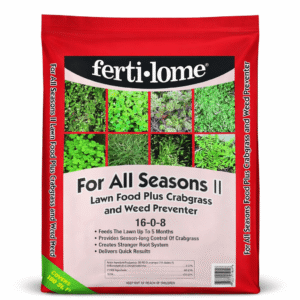
- Water it in lightly to activate it.
- Do not use a weed preventer if you plan to overseed the lawn because it will stop your grass seed from germinating.
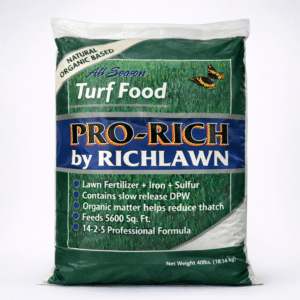
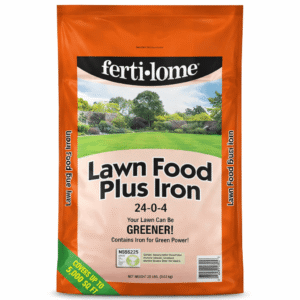
If you are not using a Pre-Emergent product, now is a great time for your first application of lawn food. I like Richlawn Pro Rich Lawn Food with iron and sulfur added. Fertilome Lawn Food + Iron is also an excellent choice.
9. Refresh and Revitalize the Soil in Outdoor Containers Before Planting
Old potting soil becomes nutrient depleted and compacted.
- Dump out all pots into a wheelbarrow or onto a tarp.
- Remove leftover debris from last year.
- Fluff up the compacted soil.
- Mix in a good-quality compost at about 20% by volume.
- Add roughly 50% by volume of fresh potting mix.
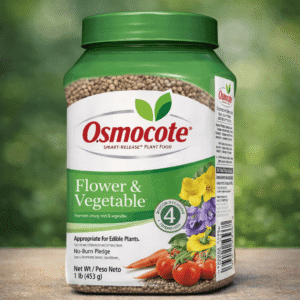
- Add a slow-release fertilizer such as Osmocote 14-14-14.
- Combine thoroughly and refill your pots.
10. Resist the Urge to Plant Warm-Season Crops Too Early
- May 15 is the average last frost date, give or take about two weeks.
- Cold soil is the enemy for tomatoes, peppers, eggplant, beans, corn, and squash. A soil temperature of 65° to 75°F is ideal. Planting a little later is much better than planting too early.
- If needed, cover the soil with clear plastic for a week to warm it up first. Clear plastic works better than black plastic for warming soil.
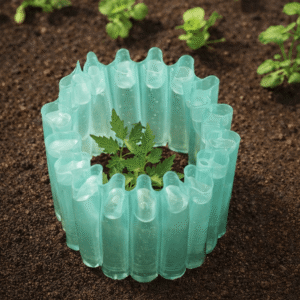
- You can get a 2 to 3 week jump on the season by using a Wall O’ Water set out a few days before planting.
11. April Is a Great Month to Start Planting Perennials and Cool Season Annuals
Most garden centers keep their perennials and cool-season annuals outdoors, rather than in the greenhouse. This pre-hardens the plants, allowing them to be planted out the day you take them home.
12. Start Planting Trees and Shrubs Now
It’s not too early. Get a head start while temps are still mild and water demands on your new plants are low. Check out this link on how to properly plant trees and shrubs in Colorado. (Link)
13. Planting Roses
It’s too early to plant roses unless they are dormant. Most nurseries are growing their roses indoors right now to give them a head start. Wait to plant these roses until after all threat of frost has passed. If you are worried about missing out on the varieties you want, go ahead and buy them early. Keep them outdoors on mild days in a partly sunny location. But be prepared to bring them into the garage or frost-free area if freezing temperatures threaten.
14. Remove Tree Wrap and Rose Collars This Month
- April is the right time to remove tree wrap and rose collars.
Garden Wise Answers: why red roses come back pink.