
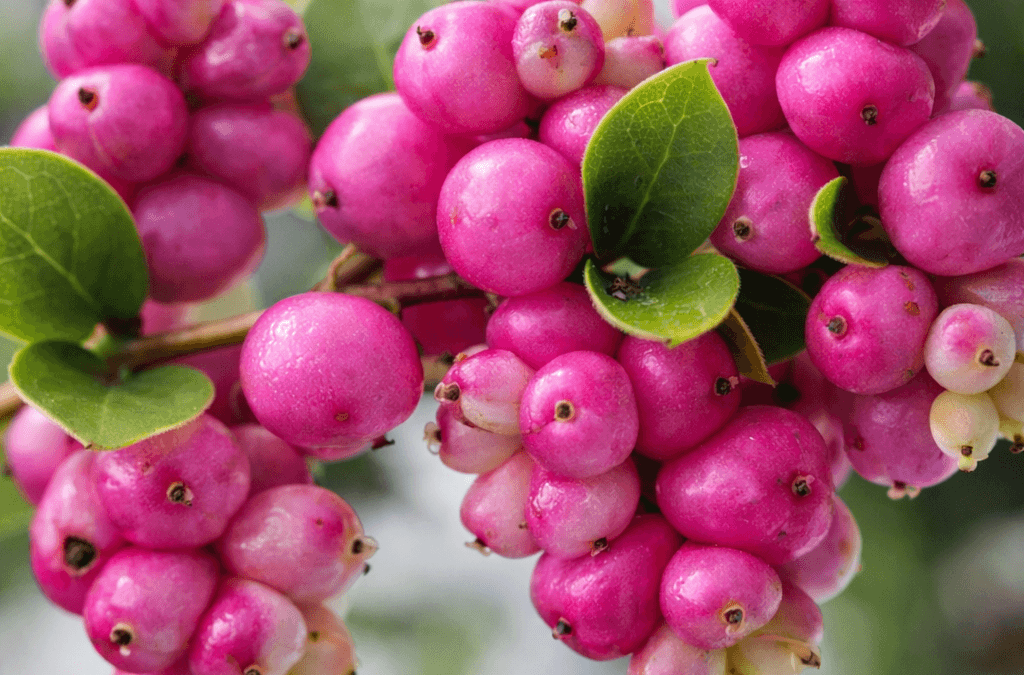
Plant Profile: Coralberry
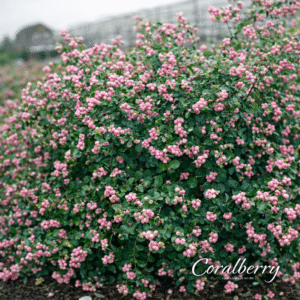
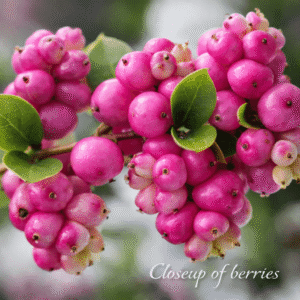
Coralberry (Symphoricarpos orbiculatus) is a deciduous native shrub well suited to naturalistic gardens, woodland edges, slopes, and wildlife-friendly landscapes. Native to much of the eastern half of North America, this adaptable shrub offers subtle beauty through the growing season and becomes a standout in fall and winter when its vivid berries feed birds.
Where Coralberry Comes From
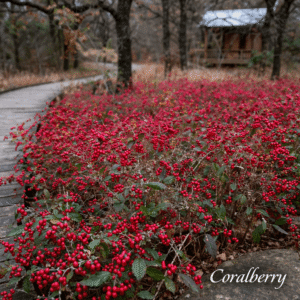
In nature, coralberry grows in woodlands, along stream banks, and at forest edges, where its arching stems spread and root where they touch the ground. This habit allows the plant to form thickets that stabilize soil, suppress weeds, and provide cover for wildlife.
Size, Shape and What to Expect
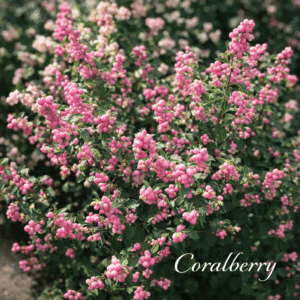
Coralberry typically grows 2 to 5 feet tall and 4 to 8 feet wide, with oval, bluish green deciduous leaves. In early summer, small, light pinkish-white, bell-shaped flowers appear along the stems, supplying nectar to native pollinators. The foliage also supports the larvae of several moth species. By autumn, the flowers mature into bright pink-purple berries that persist well into winter, attracting birds when other food sources are scarce.
Those Famous Vivid Purple Berries
How to Grow Coralberry in Colorado
- Exposure: Full sun to part shade
- Soil: Average, well-drained soil, adaptable to clay, loam, and a wide pH range
- Water: Moderate moisture, drought tolerant once established
- USDA Zones: 2 to 7
- Pruning: Minimal if given space; prune in late winter or early spring if needed
- Fertilizer: Generally unnecessary; compost in spring if soil is poor
Because coralberry spreads by suckers and running stems, it is best planted where it has room to roam or paired with strong companion plants. In the right setting, it is a low-maintenance shrub ideal for informal designs.
Best Time to Prune
- Late winter to early spring (ideal)
Before new growth starts. You can prune in summer, but you’ll reduce berries .
3 Simple Pruning Methods
- Light Shaping (Most Common)
Use this if your plant looks decent but messy.
- Remove: Dead wood, Crossing branches, Weak, spindly stems , Lightly shorten long stems.
- Thinning (For Airflow + Natural Look)
Use this when it’s getting dense or wild.
- Cut 1/3 of the oldest stems all the way to the ground; keep the younger, more vigorous stems. This keeps berries coming and prevents that tangled mess look.
- Hard Rejuvenation (Reset Button)
New Varieties Worth Planting in Colorado
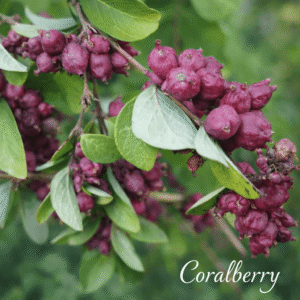
Most coralberries in cultivation are straight species, valued for their adaptability and benefits to wildlife. Notable, more garden-worthy selections include:
- Proud Berry® Coralberry (Symphoricarpos ‘Sofie’): Known for its stunning hot pink berries and attractive bluish green leaves, it is a compact, hardy shrub that stands out in fall and winter gardens.
- Candy™ Coralberry (Symphoricarpos): Features plump, candy pink berries that appear in early fall and persist through winter, ideal for borders and cut arrangements.
- Amethyst™ Coralberry: An older but still popular variety that provides a strong pink color, with Proud Berry being an improved version.
These newer varieties offer superior ornamental qualities while maintaining coralberry’s tough, adaptable nature, tolerating poor soils and various light conditions.
Best Ways to Use Coralberry in Colorado
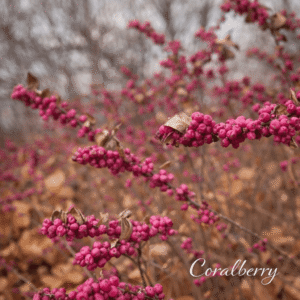
Coralberry excels as a tall ground cover, informal hedge, or erosion control shrub on slopes. Its four season presence, from pollinator flowers to winter fruit, makes it a valuable addition to gardens designed for resilience, wildlife, and ecological function.
Keep reading: pair it with fragrant daphne for late-winter scent, or read why native plants and nativars are showing up in more Front Range gardens.
Have a Colorado gardening question of your own? Ask Keith.