
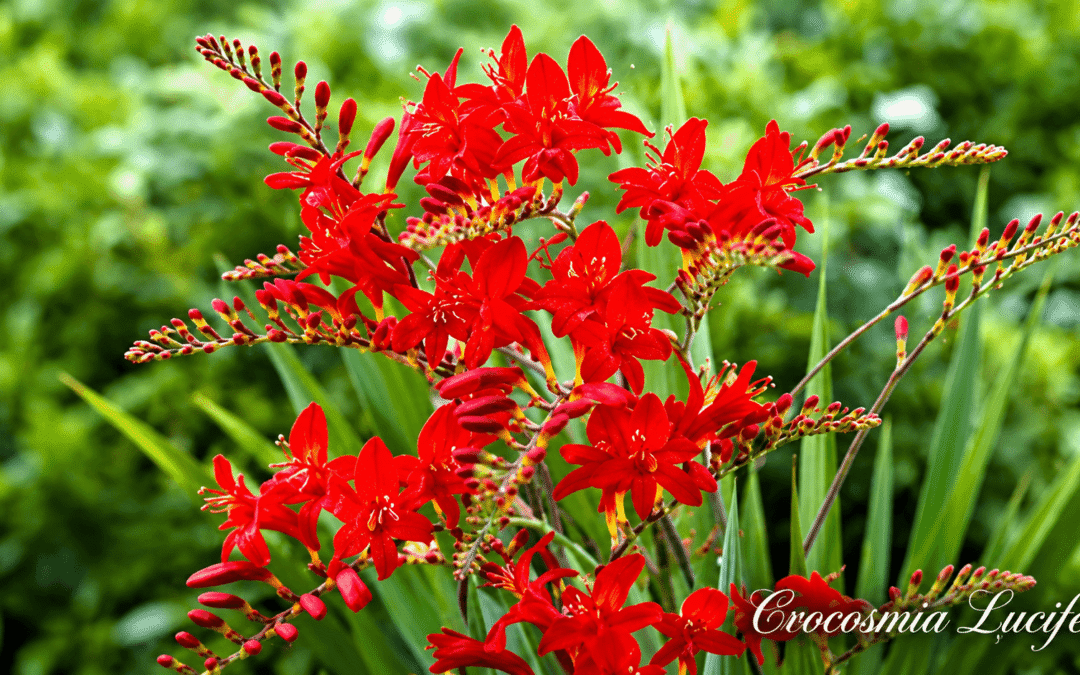
Every garden needs a little drama. Now, I’m not talking about the kind your neighbors create over a property line dispute. I’m talking about the kind that stops visitors in their tracks and makes them say, “Wow…what IS that plant?”
One of my favorite perennial plants for creating that kind of excitement is Crocosmia ‘Lucifer’.
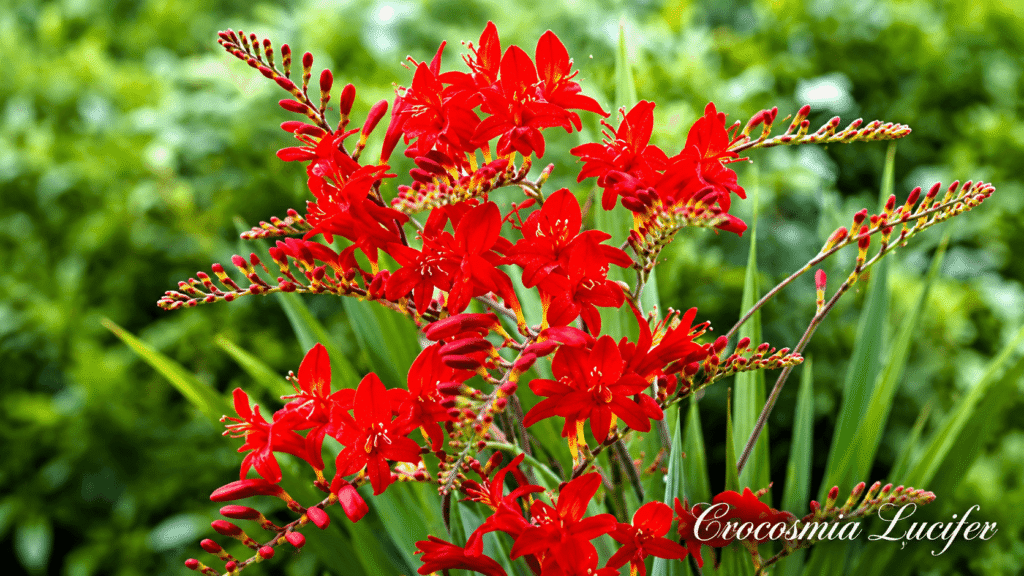
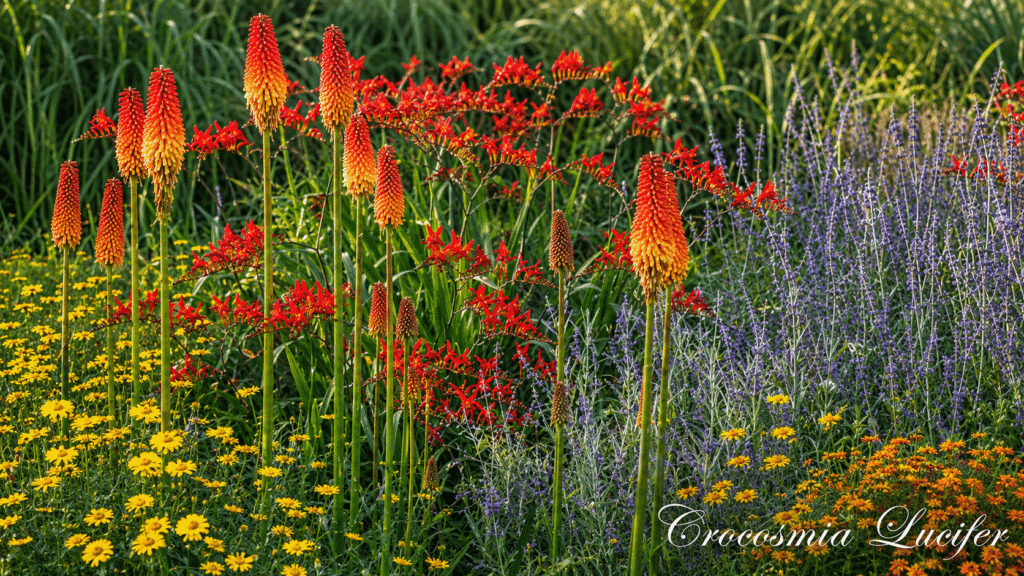
If you’ve never grown it before, picture a graceful fountain of sword-like green leaves topped with brilliant scarlet-red flowers that seem to dance above the foliage.
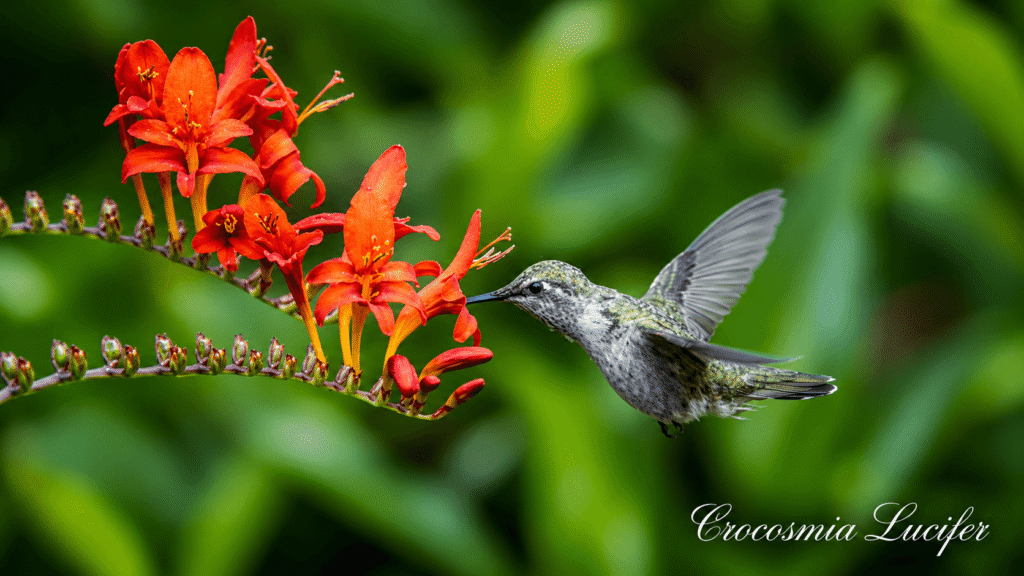
And if that wasn’t enough, hummingbirds absolutely cannot resist it.
For Colorado gardeners who want a big visual impact without adding another high-maintenance diva to the garden, Crocosmia Lucifer deserves a spot on your shopping list.
A Little Background
Crocosmia is native to the grasslands of southern and eastern Africa, particularly South Africa, Lesotho and Eswatini.
‘Lucifer’ itself is a hybrid that was introduced in the 1960s and is thought to be a cross between Crocosmia masoniorum and Crocosmia paniculata.
Over the years I’ve experimented with several varieties, but honestly, ‘Lucifer’ is the only one I’ve found to be reliably hardy in my own Colorado garden.
Growing Crocosmia ‘Lucifer’
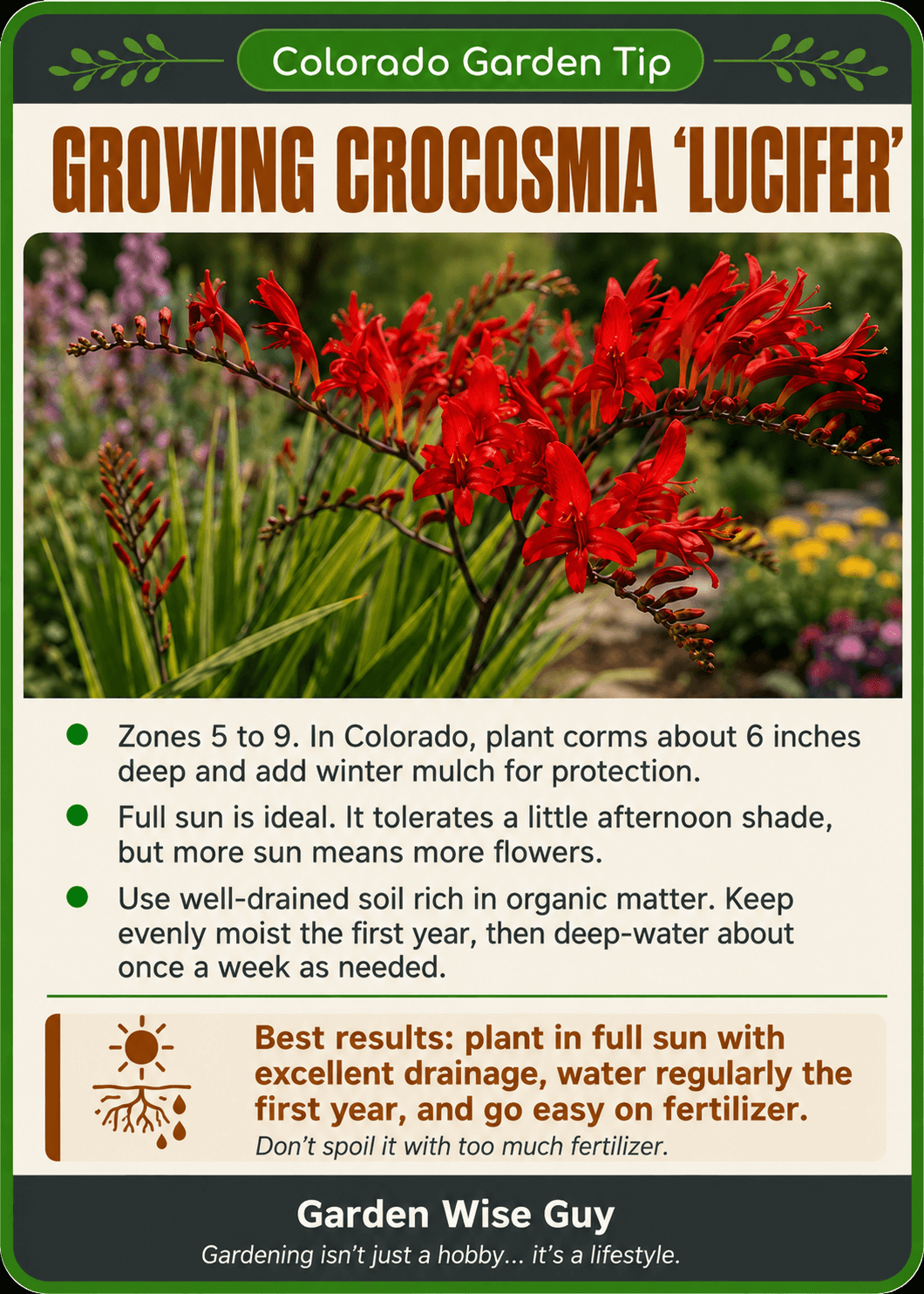
Click To Download Card
The good news is this is a pretty easy plant to grow once you understand one simple rule: Crocosmia absolutely hates wet feet.
Hardiness
- USDA Zones 5 to 9
- Here in Colorado, plant the corms about 6 inches deep.
- Add a layer of winter mulch for extra protection.
Sunlight
Give it plenty of sunshine.
- Full sun is ideal.
- It will tolerate a little afternoon shade.
- The more sun it receives, the more flowers you’ll get.
Soil
Good drainage is everything.
Crocosmia likes:
- Well-drained soil
- Plenty of organic matter
If you’re gardening in heavy clay, work in compost before planting.
Water
This isn’t a thirsty plant once established.
- Keep it evenly moist the first year.
- Once established, it can tolerate short dry periods.
- A good deep watering once a week is usually plenty.
Fertilizer
Don’t spoil it with too much fertilizer.
I simply:
- Add compost every spring.
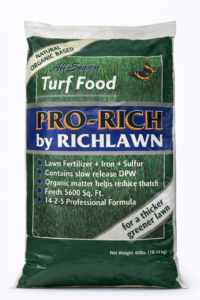
- Apply a balanced slow-release fertilizer in early spring. I personally use Richlawn Pro-Rich.
Simple Maintenance
This is not a plant that demands constant attention.
Spring: Remove old foliage.
Summer: Deadhead spent flowers if you’d like to keep things tidy.
Fall: Let the foliage yellow naturally before removing it.
Winter: Add 2 to 3 inches of mulch in colder areas.
Every 3 to 5 years, divide overcrowded clumps in early spring to keep them vigorous.
Pests and Problems
Fortunately, this is a pretty trouble-free perennial.
Occasionally you might see:
- Spider mites
- Thrips
- Slugs and snails on tender new growth
Disease problems are uncommon.
The biggest issue is root rot if the soil stays too wet.
As I often say on the radio show:
Healthy plants growing in the right location rarely have major pest problems.
Why I Love This Plant
Crocosmia brings several qualities to the garden that are hard to find all in one plant.
It provides:
- Strong vertical architecture
- Weeks of spectacular mid-summer color
- Consistent hummingbird activity
- Excellent cut flowers
- Good deer resistance
No, it’s not deer-proof, but deer usually leave it alone.
Where To Use It
Crocosmia is surprisingly versatile.
Plant it:
- In mixed perennial borders
- In cottage gardens
- In pollinator gardens
- Near patios
- Along fences
- In masses for a dramatic effect
It also plays very nicely with other garden favorites, including:
- Echinacea
- Salvia
- Rudbeckia
- Nepeta
- Agastache
Season Long Interest
One of the things I appreciate most about Crocosmia is that it contributes something almost all season long.
Spring: Fresh green sword-like foliage emerges.
Early Summer: Flower spikes begin rising above the leaves.
Mid Summer: The brilliant red flowers steal the show.
Late Summer: Attractive seed heads provide texture.
Fall: Foliage takes on bronze tones.
Winter: The remaining stems can add a little structure to the winter garden.
Final Thoughts From The Garden Wise Guy
I always tell gardeners that every landscape needs an exclamation point.
Crocosmia ‘Lucifer’ is that exclamation point.
It doesn’t whisper.
It doesn’t politely blend into the background.
It shows up, puts on a spectacular display, invites every hummingbird in the neighborhood over for dinner, and gives your garden a tropical feel without requiring tropical care.
Plant a few this year, and don’t be surprised when your neighbors start asking where they can find one.
After all, every great garden deserves a little fire.