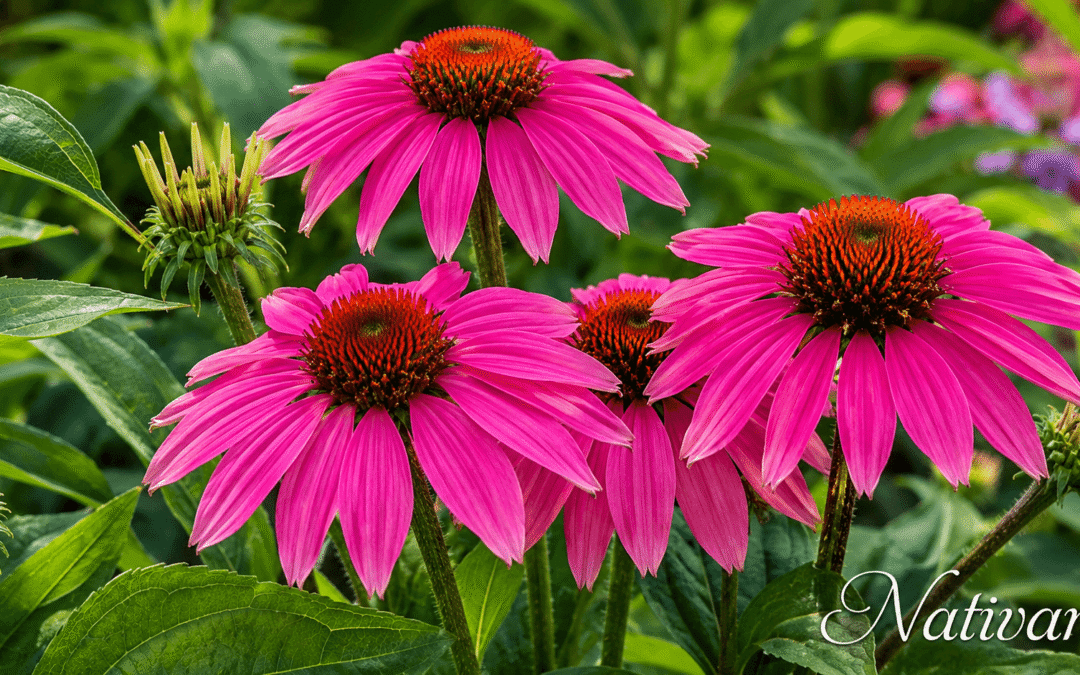
If you’ve been gardening along the Front Range for any length of time, you’ve probably noticed the shift: native plants aren’t just for restoration projects anymore. They’re showing up in neighborhood landscapes, pollinator gardens, and even HOA-approved designs. And right alongside them? A new generation of plants called “nativars.”
Let’s unpack what those really mean and how to use them wisely.
What Are Nativars, Really?
In simple terms, native plants are species that existed in a region before European settlement. Here in Colorado, that means plants adapted to our dry air, intense sun, and unpredictable temperature swings.
A “nativar” is just a cultivated version of a native plant selected or bred for traits gardeners care about, like:
- More compact, tidier growth habit
- Easier to grow
- Longer bloom time
- Lower maintenance
- Bigger or more colorful flowers
Think of them as native plants that have been cleaned up a bit for garden life.
Why Native Plants Matter More Than Ever
Native plants aren’t just a trend. They’re the backbone of a healthy ecosystem.
They support:
- Pollinators like bees and butterflies
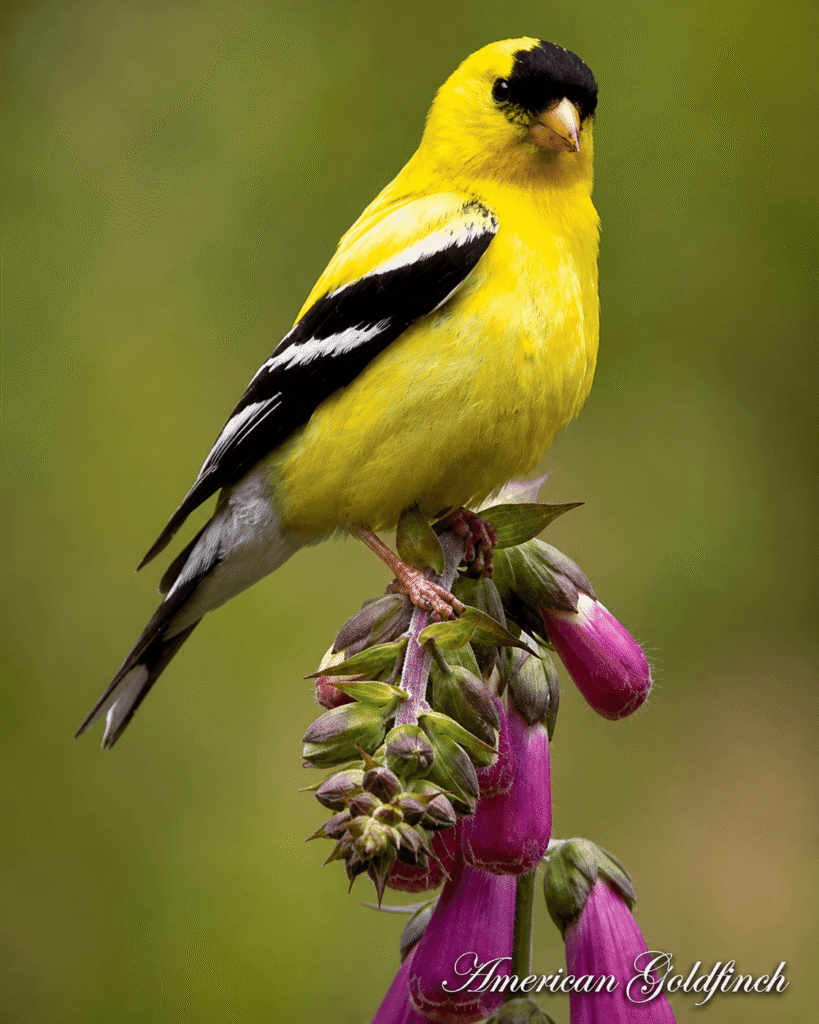
- Birds that rely on native insects for food
- Soil health and water management
- Biodiversity in your own backyard
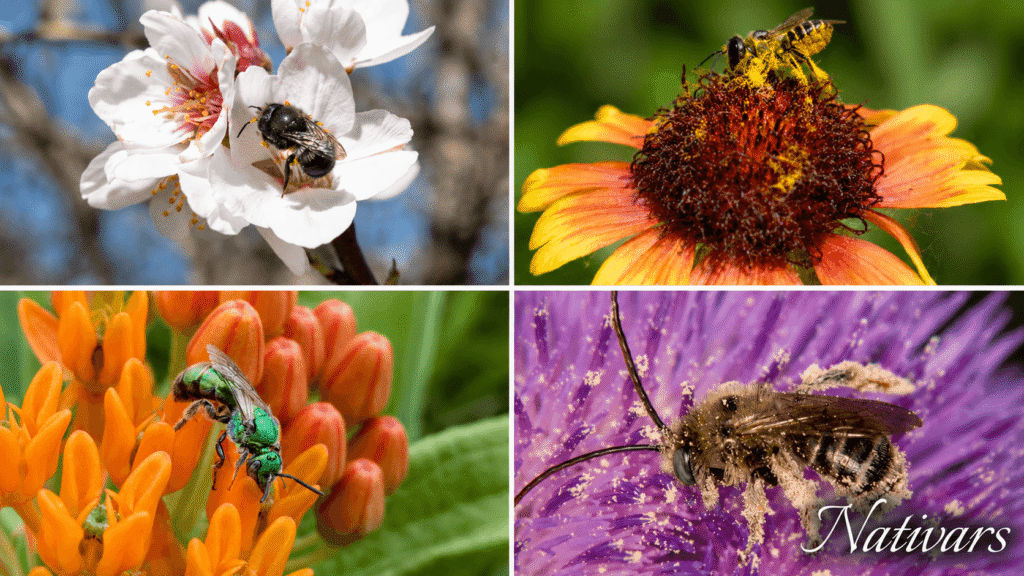
And here’s the part most gardeners don’t think about: native plants are wired into the local food web. Our insects recognize them. Our birds depend on them. Swap them out for non-natives, and that system starts to break down.
The Garden Payoff
This isn’t just about ecology. It’s about what you get.
More native plants means:
- More birdsong in the morning
- More butterflies in summer
- Less need for fertilizer and pesticides
- Better drought tolerance, which matters in Colorado
- A more connected, living landscape
Plus, being outside and connected to a living landscape has real mental health benefits. Your garden becomes more than just something to look at. It becomes something alive.
Where Nativars Fit In
Here’s where things get interesting. Straight native species are still the gold standard for wildlife value. But they’re not always easy to work into a typical home landscape. They can be big, floppy, bloom for a short window, or require very specific growing conditions.
That’s where nativars can help.
Modern breeding has given us improved versions of native favorites like:
- Agastache, hummingbird mint
- Echinacea, coneflower
- Coreopsis, tickseed
- Tiarella, foamflower
- Gaillardia, blanket flower
- Baptisia, false indigo
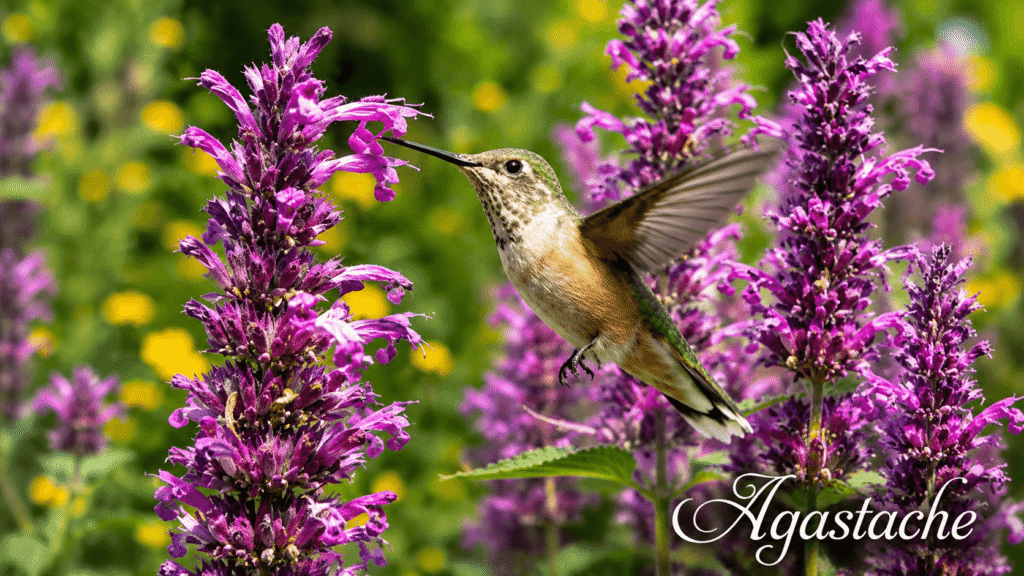
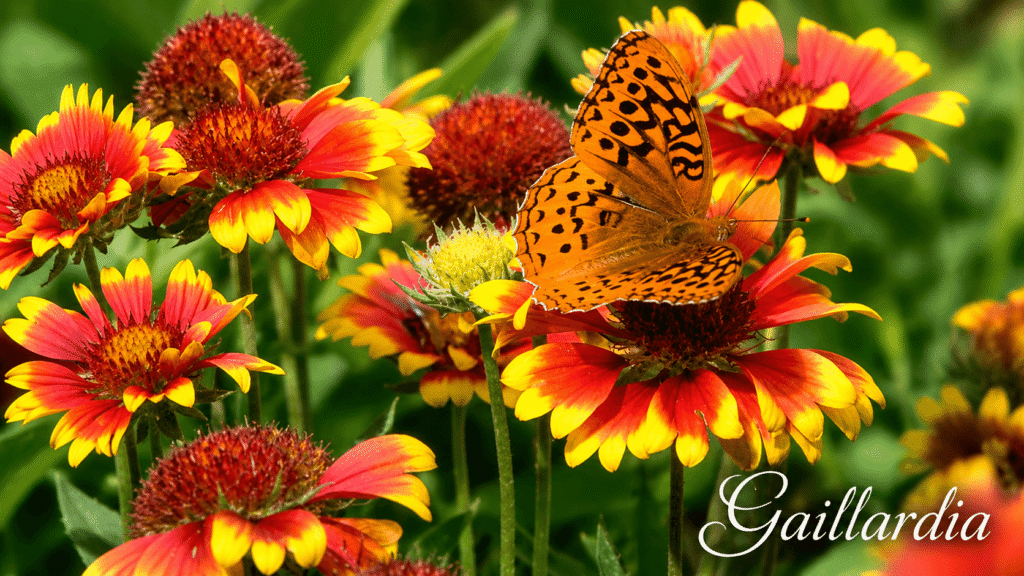
Many of these bloom longer, sometimes all season, which helps bridge gaps in nectar availability for pollinators. In other words, you’re feeding bees and hummingbirds for months instead of just a few weeks.
The Trade-Offs
Not all nativars are created equal. Some breeding choices, like double flowers or dramatic leaf colors, can actually reduce a plant’s value to pollinators. Double blooms often block access to nectar, and darker foliage can be less appealing to insects.
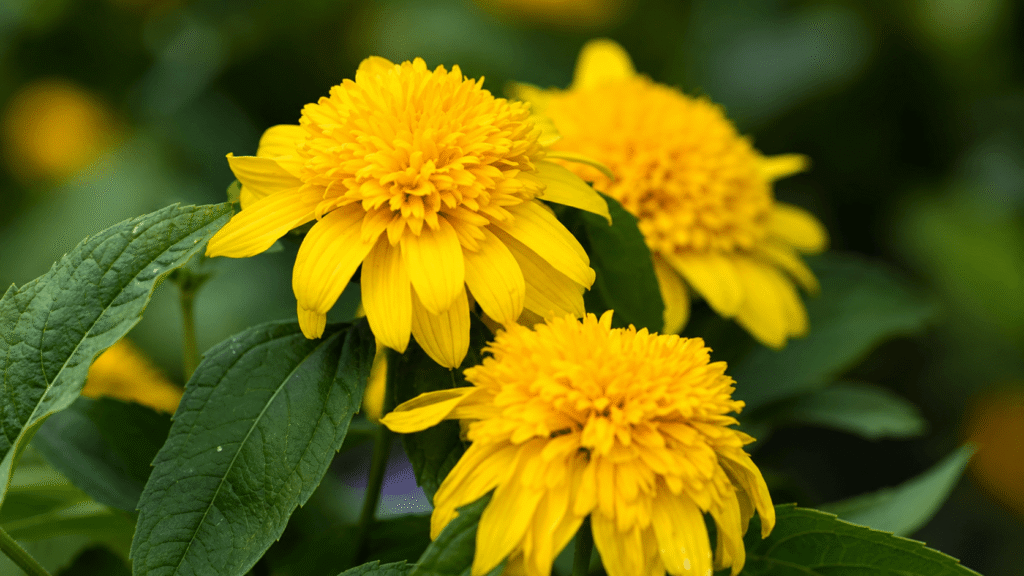
So the goal isn’t all natives or all nativars. It’s balance.
- Use straight species where you can
- Use nativars where you need better performance or size control
- Avoid heavily modified varieties if wildlife support is your priority
A Western Resource You Should Know
If you garden in Colorado, Plant Select® should absolutely be on your radar.

This program tests and promotes plants that thrive in our challenging Western climate. Many are native to Colorado and surrounding states, while others are well-adapted to similar conditions. You’ll find Plant Select varieties at independent garden centers across the state, and they’re a reliable shortcut to success in our region.
Learn more:
www.plantselect.org
Top Native and Nativar Performers
If you’re looking to start or expand your native garden, these groups are consistently strong performers:
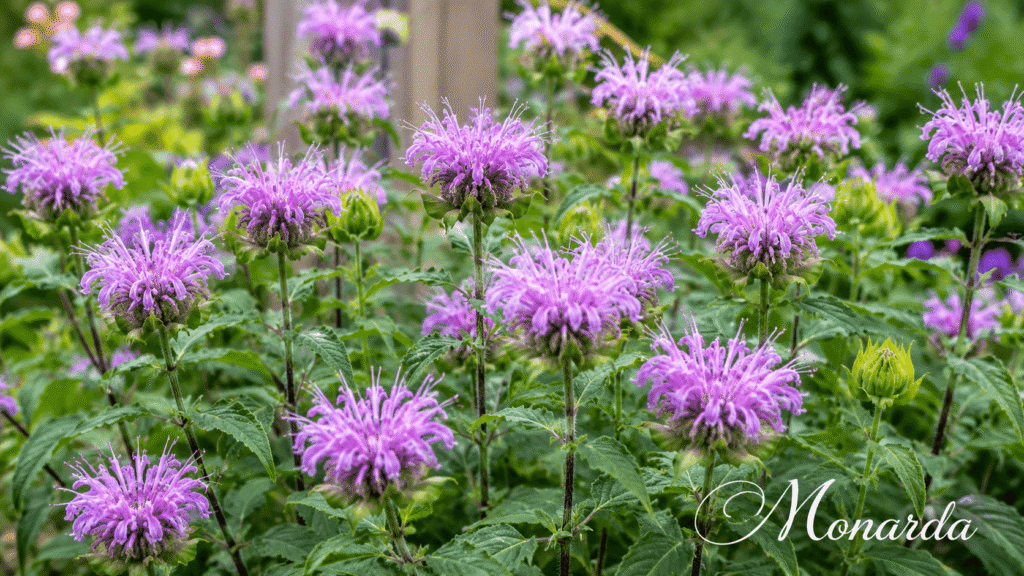
- Monarda, bee balm
- Phlox paniculata, garden phlox
- Solidago, goldenrod
- Echinacea, coneflower
- Agastache, hyssop
- Rudbeckia, black-eyed Susan
- Penstemon
- Zauschneria, firecracker plant
- Sedum
- Asters
- Ornamental grasses
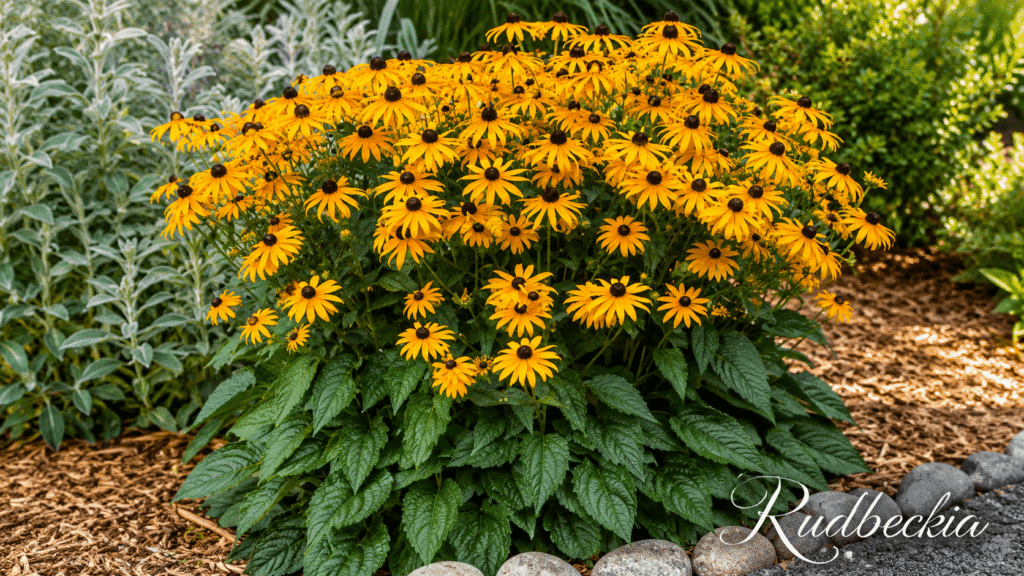
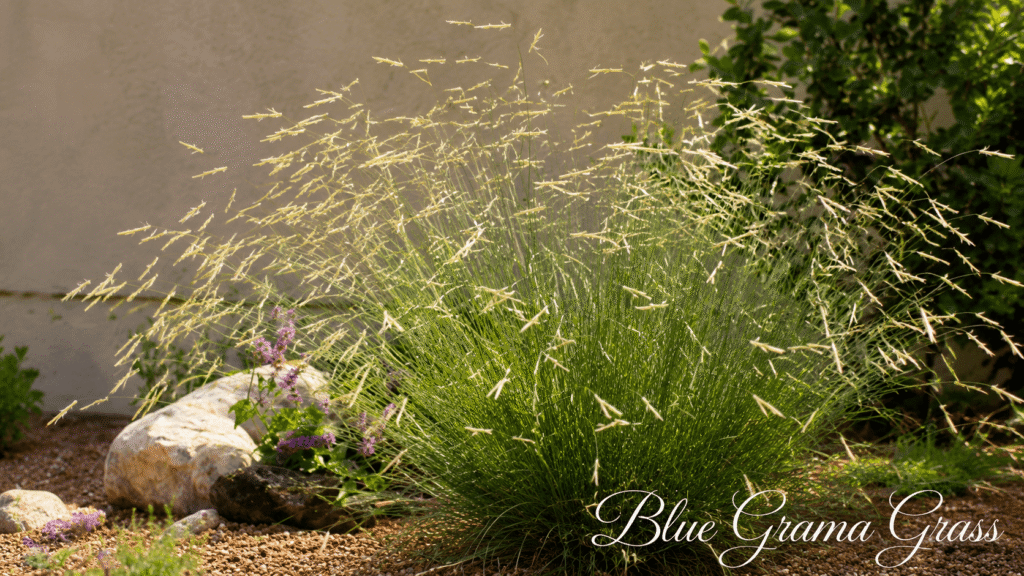
Don’t overlook woody plants either. Native shrubs like Apache plume, rabbitbrush, cliffrose, leadplant, rock spirea, mountain mahogany and fernbush provide critical habitat and are incredibly water-wise.
Getting Started Without Overthinking It
You don’t need to rip out your entire yard. Start simple:
- Replace a few non-native plants each season
- Add natives to existing beds
- Mix straight species with well-chosen nativars
- Aim for more natives over time, not perfection overnight
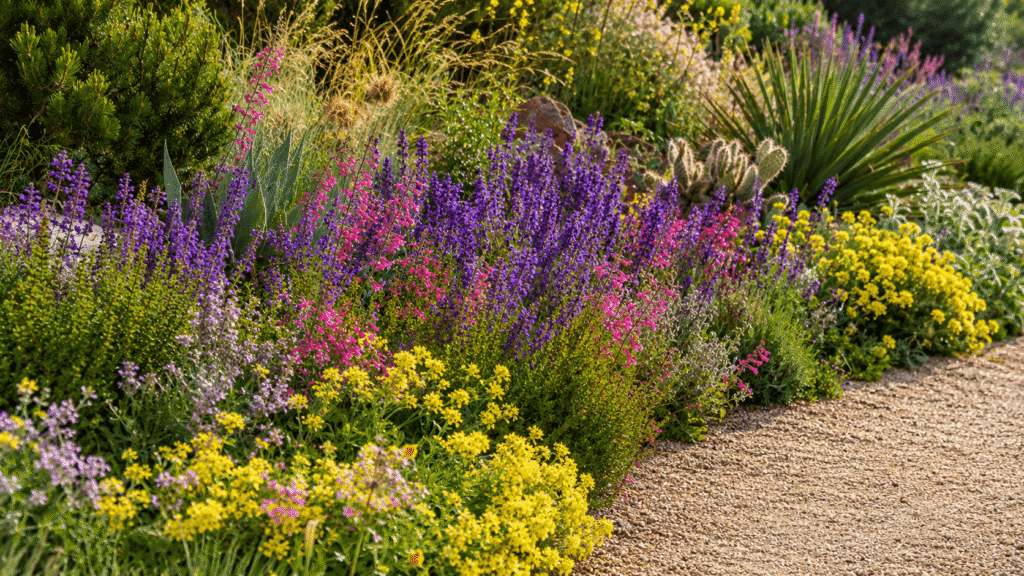
Aim for about 70% native and nativar plants. That’s a long-term goal, not a starting requirement.
The Bigger Picture
Every garden matters. When you add native plants, even a few, you’re creating habitat. Multiply that across neighborhoods, and you start rebuilding ecosystems right where people live.
That’s the real power of gardening with intention.
And that’s something worth growing.