
 Birdhouses in Colorado: Build It Right, and They Will Come
Thoughtful placement, proper sizing, and a little annual care make all the difference — especially in Colorado’s unique climate.
If you’re a Colorado gardener thinking about adding birdhouses to your yard, here’s what separates a box that sits empty all season from one that has tenants every spring: intentionality. Not decoration. Intention.
I have at least a dozen birdhouses in my yard. Some are wooden, others are ceramic. Some are a little weathered. All of them are placed with a purpose. And every spring, when the first territorial chatter starts up, I’m reminded why I bother.
Birds are particular. They don’t move into cute. They move into correct. Let’s talk about how to do this right in Colorado — where our altitude, open landscapes, and dry climate add a few wrinkles that generic birdhouse advice doesn’t account for.
One Size Does Not Fit All
 This is the number one mistake I see: decorative birdhouses with oversized holes. Cavity-nesting birds choose nest boxes based on very specific dimensions — especially the entrance hole. If the hole is too large, you invite predators and aggressive species like House Sparrows. Too small, and your intended tenant can’t get in.
Here are the basics for common Colorado backyard birds:
- House Wren: 1 to 1⅛ inch entrance hole
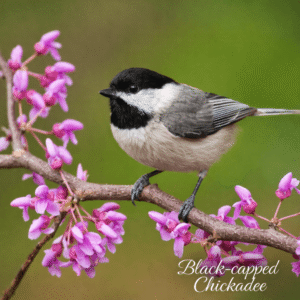
- Chickadee: 1⅛ inch hole
- Western Bluebird: 1½ inch hole
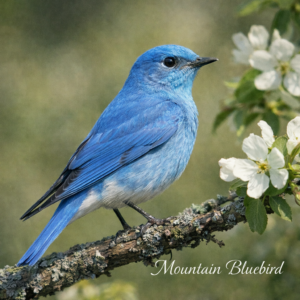
- Mountain Bluebird: 1⁹⁄₁₆ inch hole (they prefer the extra space — wide open Colorado country suits them)
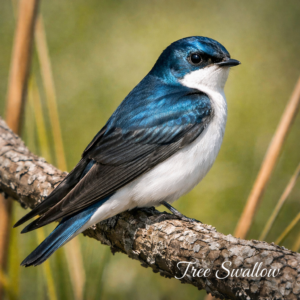
- Tree Swallow: 1⅜ to 1½ inch hole
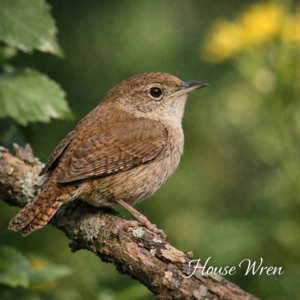
House Wrens prefer snug, secure spaces tucked into shrubbery or near trees. I place mine 5–10 feet off the ground with cover nearby. They’re bold, curious, and surprisingly loud for such a small bird. When one claims a box, you’ll know.
If you’re serious about attracting a specific species, build or buy a box designed specifically for that bird. Depth, floor size, and ventilation all matter — not just the hole. You’ll find the full dimensions cheat sheet at the bottom of this article.
Placement Matters More Than You Think — Especially in Colorado
You can have the perfect house and put it in the wrong spot. Here in Colorado, we have a few placement considerations beyond the basics: our intense high-altitude sun can overheat a south-facing box quickly, and our wind patterns vary significantly across the Front Range, foothills, and mountains.
Here’s what I’ve learned after years of watching who moves in and who doesn’t:
- Face the entrance away from prevailing winds. In Colorado, that’s typically away from west and northwest exposures.
- Avoid direct, all-day scorching sun. A north or east-facing entrance is often safer at higher elevations where UV intensity is greater.
- Provide nearby perching trees or shrubs — but not so close that predators can pounce.
- Mount securely. Colorado wind is not gentle. You don’t want a birdhouse full of babies falling from its perch.
- Space houses appropriately. Wrens and bluebirds are territorial and want their own zip code.
Colorado’s open landscapes are ideal for Mountain and Western Bluebirds. Bluebird boxes thrive in open areas — fields, pastures, and meadows at higher elevations. House Wrens prefer the semi-wooded edges more common along the Front Range. Chickadees look for quiet spots near trees.
Don’t cluster houses unless you’re designing for colonial species. Most Colorado cavity nesters want space.
Annual Maintenance: Non-Negotiable
 Every fall — or very early spring — I open every single box. Old nesting material must come out. Parasites overwinter in that debris, and skipping this step reduces your occupancy the following season.
My routine:
- Open the box
- Remove all nesting material
- Scrape and brush the interior
- Rinse with a 10% bleach solution
- Allow to dry completely
- Check for loose screws, cracks, or rot
Ventilation holes should be clear. Drainage holes in the floor are essential — no drainage can be fatal to baby birds. A properly built box should last many seasons, but it needs yearly inspection.
Predator Protection (Often Overlooked)
If you want nesting success, think like a raccoon. Predator guards make a real difference, especially on pole-mounted houses. Baffles prevent climbing mammals from reaching the box.
Avoid adding exterior perches — they’re unnecessary and actually help predators and invasive species gain access. And monitor for House Sparrows, which are invasive and aggressively evict native birds. If they begin nesting, action is needed to protect native species.
Material Matters
Skip the painted decorative novelty houses for nesting. Here’s what works:
Use:
- Untreated cedar (weathers beautifully and regulates temperature well — important in Colorado’s temperature swings)
- Pine
- Exterior-grade screws (not nails)
- Rough interior walls or ladder grooves for fledglings
Avoid:
- Pressure-treated wood
- Glossy paint inside
- Metal roofs without insulation (they overheat fast at Colorado altitude)
Natural wood handles Colorado’s freeze-thaw cycles far better than plastic alternatives.
Timing Your Installation
Install houses by late winter or very early spring. In Colorado, that typically means February or early March — before birds start actively scouting territories. They scout well before nesting season begins. If the house is there early, it becomes part of the landscape in their minds.
Adding houses mid-season rarely works.
Supporting Habitat: The Rest of the Picture
A birdhouse without habitat is just real estate without groceries. Here’s what rounds out the ecosystem:
Water: Birds are more likely to nest where water is nearby. A simple birdbath dramatically increases your yard’s habitat value — and in Colorado’s dry climate, a reliable water source is a real draw.
Food: Wrens feed heavily on insects. A pesticide-free yard is a bird-friendly yard. Seed eaters are drawn to feeders stocked with appropriate mixes.
Habitat Diversity: Native shrubs, layered plantings, and seed heads left standing through winter create a full ecosystem. Colorado native plants like native grasses, shrubby cinquefoil, and serviceberry are excellent choices for supporting cavity-nesting birds.
 Why I Love House Wrens
Of all my tenants, the House Wren wins my loyalty. They are small but fearless. They sing like they own the place. And they’ll inspect every available box before deciding. Sometimes the male will stuff several boxes with twigs—”starter homes”—before the female makes her choice.
When you see that happening, you know you’ve done something right. They reward good habitat with energy and personality all summer long.
The Bottom Line on Birdhouses in Colorado
Birdhouses are not yard décor. They are wildlife management tools. When you size them correctly, place them thoughtfully, maintain them annually, and support them with habitat — you create opportunity.
And when that first wren starts singing from the roofline in April? You’ll understand why I have twelve.
📏 Colorado Birdhouse Dimensions Cheat Sheet
Because birds care about measurements — even at 6,000 feet.
| Bird | Entrance Hole | Floor Size | Interior Depth | Mounting Height | Placement |
|---|---|---|---|---|---|
| House Wren | 1″ – 1⅛″ | 4″ x 4″ | 6″ – 8″ | 5–10 ft | Near shrubs or trees, semi-wooded edge |
| Chickadee | 1⅛″ | 4″ x 4″ | 8″ – 10″ | 5–15 ft | Quiet, wooded areas |
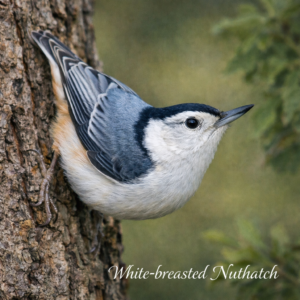
| Nuthatch | 1¼″ | 4″ x 4″ | 8″ – 10″ | 5–20 ft | Mature trees, mount on trunk |
| Western Bluebird | 1½″ | 5″ x 5″ | 8″ – 12″ | 4–6 ft | Open woodland edges, clearings |
| Mountain Bluebird | 1 9/16″ | 5″ x 5″ | 9″ – 12″ | 4–6 ft | Open fields, pastures, higher elevations |
| Tree Swallow | 1⅜″ – 1½″ | 5″ x 5″ | 8″ – 12″ | 5–15 ft | Open areas near water |
Build Notes for All Species: ventilation holes near the top, drainage holes in the floor, rough interior walls or ladder grooves, no exterior perch, untreated wood only, predator guards on pole-mounted boxes.
Trusted Resources
The Cornell Lab of Ornithology’s NestWatch program and the National Audubon Society offer science-based, species-specific birdhouse designs, dimensions, and placement guidelines.
For Colorado-specific guidance, Colorado Parks and Wildlife (cpw.state.co.us) and the Bird Conservancy of the Rockies are excellent local resources.
Consider getting your landscape certified as a National Wildlife Federation Certified Wildlife Habitat at nwf.org. It provides a framework for creating full habitat — not just a birdhouse — and you get a plaque to show for it.
In the end, the reward is the morning chorus. It’s watching a House Wren scold you from the fence post. It’s bluebirds dropping into the lawn. It’s the quiet satisfaction of knowing the movement in your garden isn’t accidental — it’s invited. When you build habitat, the landscape answers back. And there is nothing better than stepping outside with a cup of coffee and realizing you’re not gardening alone.
