
March Gardening Tips for Colorado: Spring Stirs, But Patience Still Wins
March is when we Colorado gardeners feel the pull of spring — longer days, warmer sun, and seed catalogs finally giving way to real soil. But along the Front Range, March is also famous for late snows, freeze–thaw cycles, and dramatic temperature swings that can catch even seasoned gardeners off guard. These Colorado March gardening tips will help you make smart moves this month: preparation, observation, and selective action. Not full-speed planting. Not yet.
Lawn Care: Green Is Coming, But Don’t Rush It

Our cool-season Colorado lawns — bluegrass, fescue, and perennial ryegrass — are starting to green up this month. Here’s where to focus your energy:
- Core aerate as soon as the frost is out of the soil and the ground is slightly moist. No need to remove the plugs unless the look bothers you.
- Overseed thin lawns right after aerating for best seed-to-soil contact.
- Apply a pre-emergent weed preventer like Fertilome For All Seasons by the end of the month to stop weed seeds before they germinate.
Important: Do not use a pre-emergent if you’re planning to overseed — it will stop your grass seed right along with the weeds. Pick one or the other this spring.
Houseplants: Wake Them Gently
As daylight increases here in Colorado, houseplants begin to stir out of their winter dormancy. March is the time to ease them back into an active routine — key word being ease.
- Resume light feeding with a balanced fertilizer
- Increase watering slightly, but avoid soggy soil
- Rotate plants for even light exposure
- Repot only if roots are clearly crowded
Hold off on moving plants outdoors. March sun at Colorado’s altitude is intense — it can scorch leaves that have spent all winter in lower light — and our nights are still far too cold for most tropicals.
Pruning: Now or Never for Many Plants
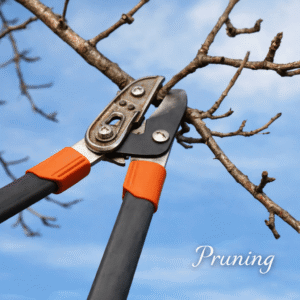 March is prime pruning time along the Front Range, right before growth begins. Get out there before the buds break and tackle these:
- Fruit trees, grapes, berry bushes, shade trees, and most deciduous shrubs
- Ornamental grasses and perennials left standing through winter for wildlife and visual interest
- Any dead, damaged, or crossing branches
Do not prune spring-flowering shrubs like lilac, forsythia, or flowering almonds. They bloom on old wood, and pruning now will cost you your spring flower show. Wait until just after they finish blooming, then clean them up.
Vegetable Gardening: Plan, Prep, and Protect
March is a planning-heavy month for Colorado vegetable gardeners — and that’s actually a good thing. Use this time wisely:
- Prep raised beds and amend soil once it’s workable
- Clean and sharpen your tools (you’ll be glad you did come April)
- Finalize crop rotations and garden layout
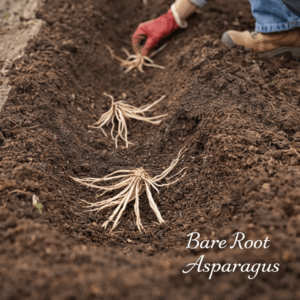
St. Patrick’s Day is the traditional Colorado signal to plant peas and onion sets outdoors. Later in the month, you can also get bare root strawberries, asparagus, rhubarb, horseradish, and berry bushes in the ground.
Perennials: Cleanup, Not Planting
I know it’s tempting when you see those first green tips poking through — but resist the urge to plant new perennials this early. Colorado’s Front Range can still deliver a hard freeze well into April. Instead, spend March doing this:
- Gently clean up beds, being careful not to damage new emerging shoots
- Cut back last year’s growth once you can clearly see green at the base
- Watch for frost-heaved plants — the freeze–thaw cycles we get in Colorado can push crowns right out of the ground — and firm them back into the soil
Save new perennial planting for April or May when soil temperatures are more consistently settled.
Seed Starting Indoors: March Is Go-Time
For most Denver and Front Range gardeners, March is peak indoor seed-starting season. Our last frost date typically falls between mid-April and mid-May depending on your elevation and location, so starting now puts you right on schedule.
- Start now: Tomatoes, peppers, eggplant, herbs, and annual flowers
- Also start now: Cool crops including cabbage, broccoli, leeks, celery, endive, lettuce, kale, cauliflower, and kohlrabi — these go outside around mid-April
- Tubers and bulbs: Start begonia tubers, callas, and caladiums indoors now for planting out in late May after our last frost
Use strong light — grow lights or a very bright south-facing window — to prevent the leggy, stretched growth that weak light causes. And go easy on the water. Damping-off disease is the number one killer of seedlings, and it almost always comes from overwatering. Label everything. You’ll thank yourself later.
For more detailed seed-starting guidance, check out the seed starting article in the February newsletter.
Early Outdoor Planting: Choose Wisely
If soil conditions are good and temperatures cooperate, you can direct-sow the following seeds outdoors in March:
- Peas, spinach, lettuce, and radish
- Onion sets or transplants
Late March is also a great window for planting bare root roses, trees, shrubs, and vines. Bare root plants establish better when soil is cool — another reason Colorado’s shoulder season is actually an advantage if you use it right.
Soil Care and Testing
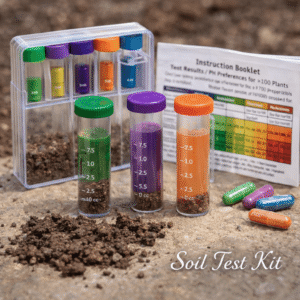 March is ideal for soil testing before planting season ramps up. Colorado’s Front Range soils are often alkaline and clay-heavy — knowing exactly what you’re working with gives you a real head start. Amend beds as soon as soil is workable, and address compaction issues before you’re in the thick of the growing season.
Colorado State University Extension offers affordable soil testing resources that can help you dial in amendments for your specific location and soil type.
Early Pest and Disease Watch
Don’t wait for problems to appear. A little vigilance in March pays off all season long. Keep an eye out for:
- Aphids on houseplants — populations can explode once you start watering and feeding more actively
- Oyster shell scale on aspens, lilacs, green ash, and other trees or shrubs — apply Fertilome Scalecide before bud break while temperatures are above freezing
- Emerald Ash Borer: March is an excellent month to treat ash trees with a systemic soil drench. This is one pest you do not want to get behind on — if you have ash trees, act now. For guidance, Colorado State Forest Service has detailed treatment resources.
- Irrigation systems: Inspect drip lines, hoses, and timers before peak season to catch leaks and avoid wasted water — especially important in our dry Colorado climate
The Bottom Line for Colorado Gardeners This March
March along the Front Range is a tease. The sun feels warm, the days are longer, and every instinct tells you to get out there and plant everything. But the gardeners who come out ahead every year are the ones who channel that energy into preparation rather than rushing. Get your lawn prepped, your seeds started, your pruning done, and your soil tested. The planting frenzy is coming — and you’ll be ready for it.
Tune in to The Garden Wise Show on Legends 810AM for weekly Colorado gardening advice, or drop me a question — I’d love to hear what’s happening in your garden this March.