
Grow a Garden That’s Always in Season
One of the most rewarding aspects of gardening is watching how the landscape transforms from one season to the next. Thoughtful plant selection can make those transitions seamless, giving your garden a steady rhythm of color, texture, and form throughout the year. When you plan for year-round interest, your garden becomes a living calendar, offering something fresh to notice and appreciate every week.
Whether you’re beginning a new garden or refining an existing one, the key to lasting beauty isn’t simply adding more plants. It’s selecting plants that perform across multiple seasons. These “multitasking” species extend the garden’s appeal, reduce maintenance pressure, and make every inch of space count.
Understanding Seasonal Interest
 Seasonal interest includes any detail, bloom, foliage, bark, fruit, or structure that enhances a garden’s appearance at specific times of year. While evergreen boxwoods provide dependable green structure, compare their one note consistency to the dynamic presence of Oregon grape holly (Mahonia aquifolium), which offers spring flowers, glossy summer foliage, summer berries, and bronzy autumn and winter color. The difference lies in movement and change. It’s the difference between a plant that fills a space and one that tells a story.
When I evaluate potential additions to my own landscape, I look for plants that check several of these boxes:
- Graceful aging (senescence): plants that fade gracefully with color or character.
- Distinctive Form: shapes such as upright, arching, mounding, or weeping that add architecture to the garden.
- Decorative bark or stems: winter color, texture, or pattern that stands out.
- Memorable foliage: vibrant color, unique size, or texture that persists beyond bloom time.
- Flowers with impact: unusual timing, vibrant color, or strong fragrance.
- Fruit and seed displays: berries or pods that are sculptural and attract light, movement, or wildlife.
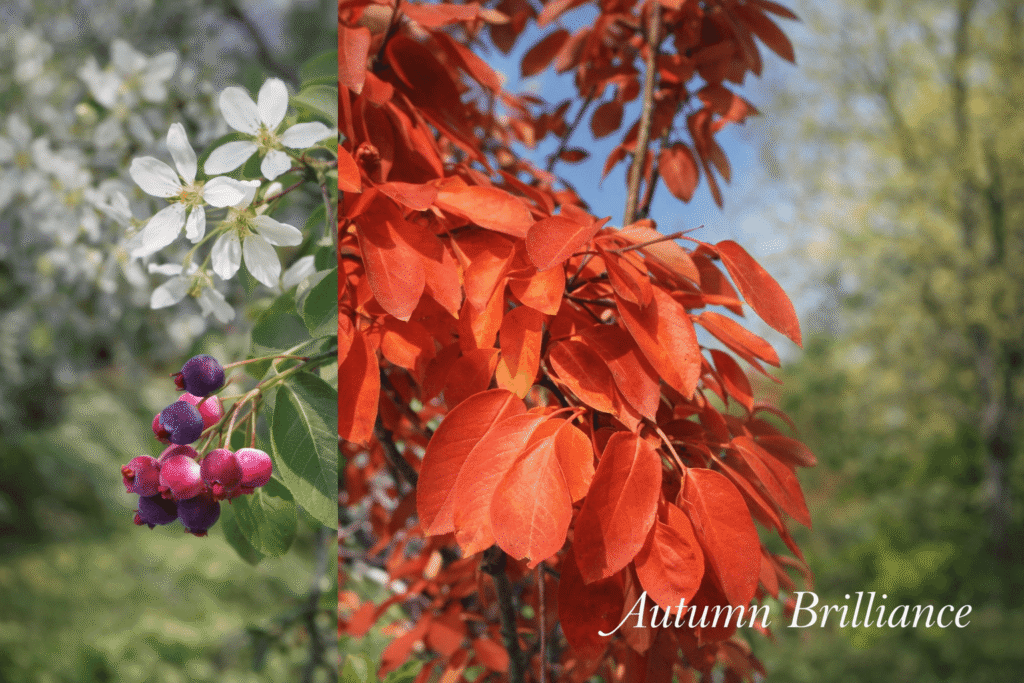
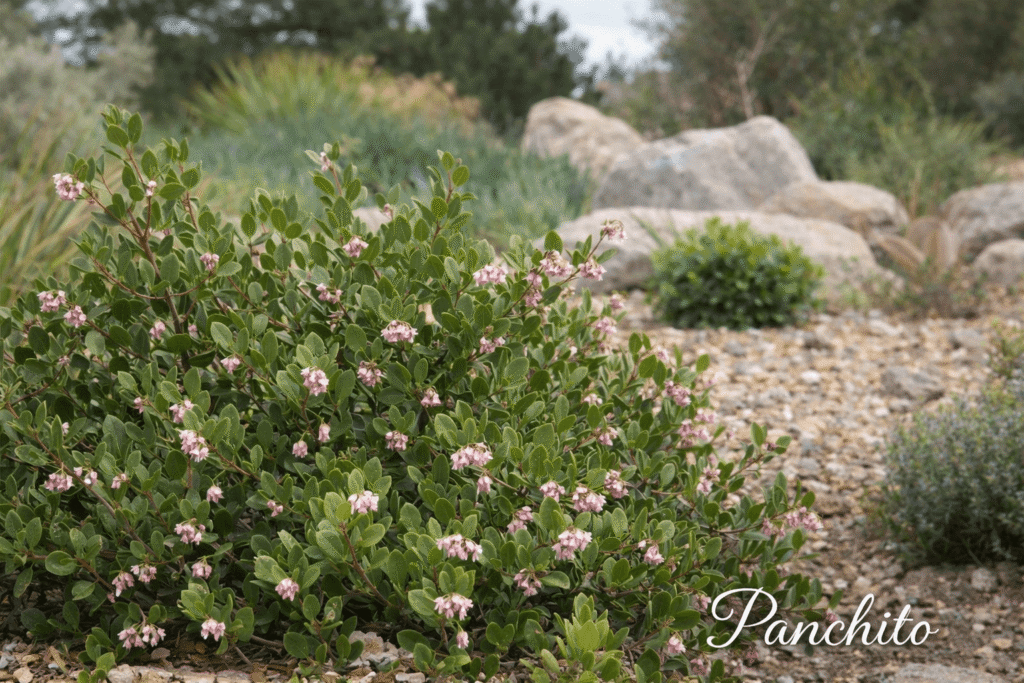
A few personal favorites: ‘Autumn Brilliance’ serviceberry, with its spring flowers, edible summer fruit, and fiery fall foliage; Arctic Fire dogwood, for its brilliant red winter stems, bright summer leaves, summer fruit, and subtle fall color; and Butterfly Weed, a tough native perennial with bold color and fascinating seed pods. Even Panchito manzanita, a low evergreen groundcover, has pink spring blooms that feed pollinators and glossy green leaves through winter.

Designing for Multi-Season Value
When I’m considering new plants, I always ask: How many seasons of interest will this give me? If the answer is less than two, I usually keep looking. Choosing “workhorse” plants that shine in multiple ways not only stretches your garden’s budget but also simplifies design; every plant contributes to the story year-round. Repeating the winners throughout the landscape adds cohesion and a more pleasing overall effect.
To figure out where your garden could use more seasonal energy, take a monthly, slow walk with a notebook. Note which areas feel lively now and which feel flat. You might notice that spring and summer are full, while fall and winter could use some attention.
Public gardens and arboretums are great places for inspiration; they’re often designed with this very idea in mind. If your landscape already feels full, you may need to edit. Ask yourself: Would I rather have a short-lived spring bloom or something that anchors this view for half the year? Start small, maybe with one border you can see from your kitchen window, and work outward.
Start with Winter, the Most Overlooked Season
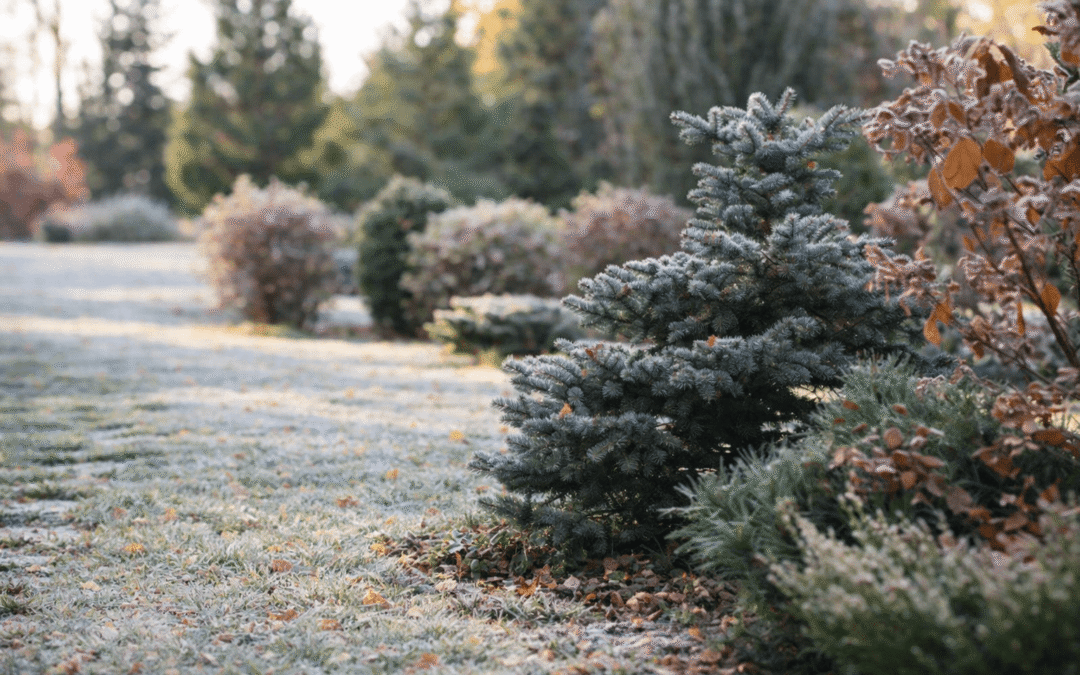
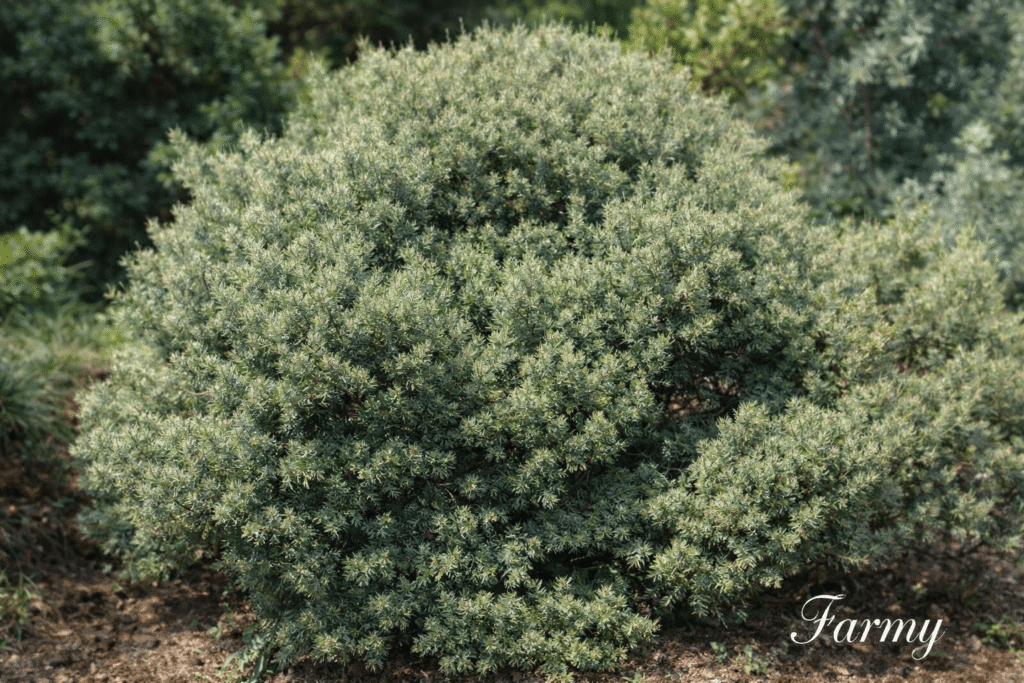
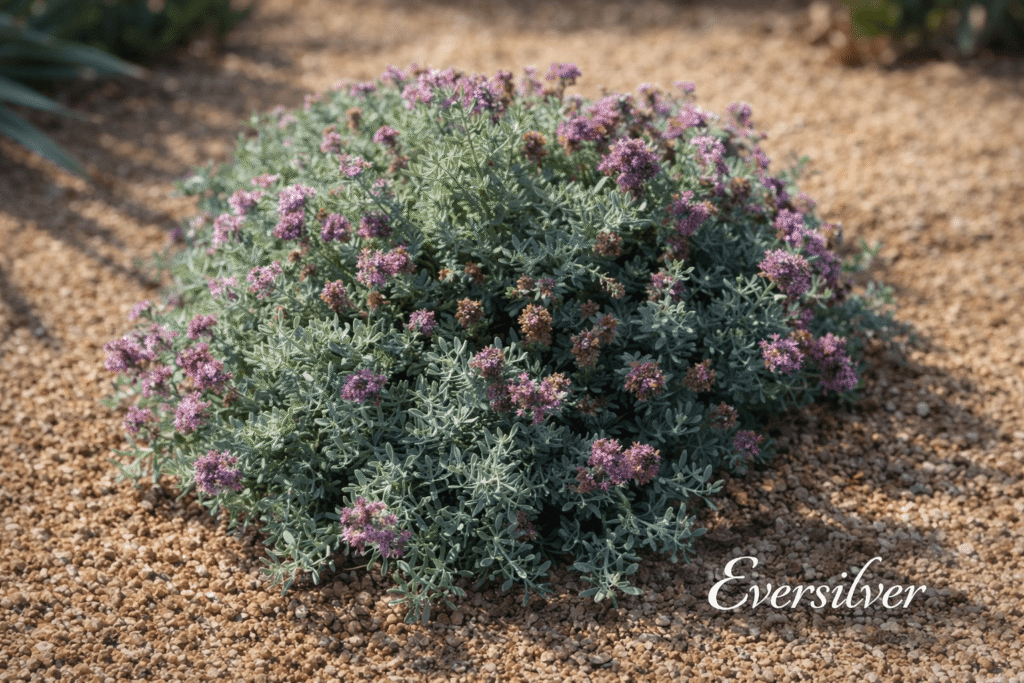
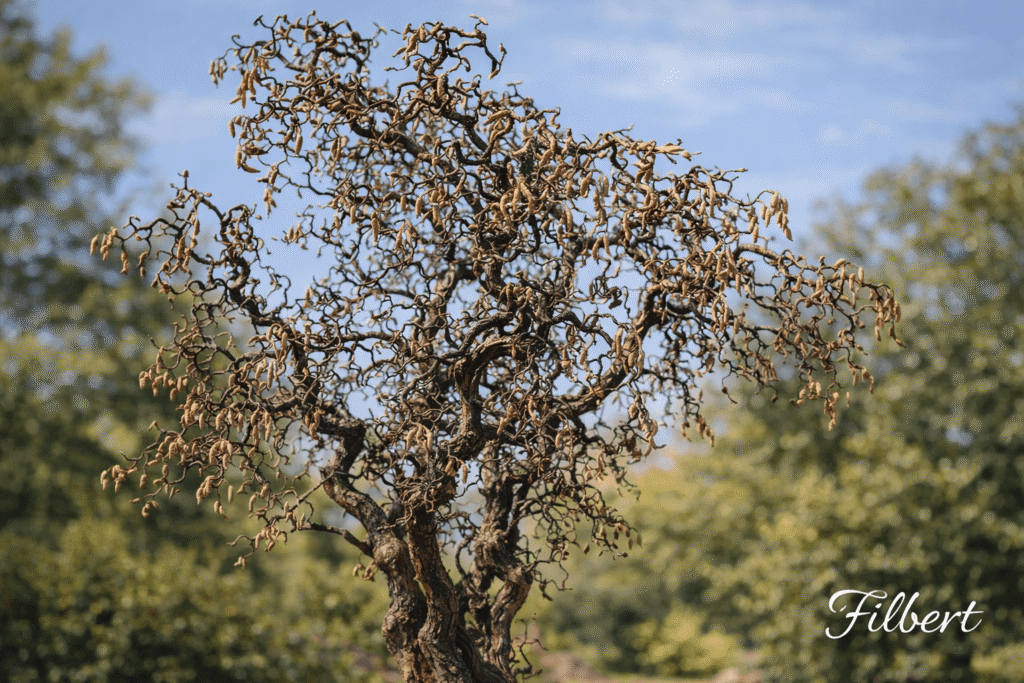
When expanding seasonal interest, start where your garden feels emptiest: winter. Even in snow, a thoughtfully planted bed can look alive. Conifers like the ‘Farmy’ and ‘Blue Jazz’ dwarf pinyon pine bring color and form. Shrubs like winterberry holly and ‘Chieftain’ manzanita provide berries and evergreen structure. Add the twisted silhouette of contorted filbert, silver tones from ‘Eversilver’ germander, or winter blooms like Christmas Rose Hellebore for depth and variety.

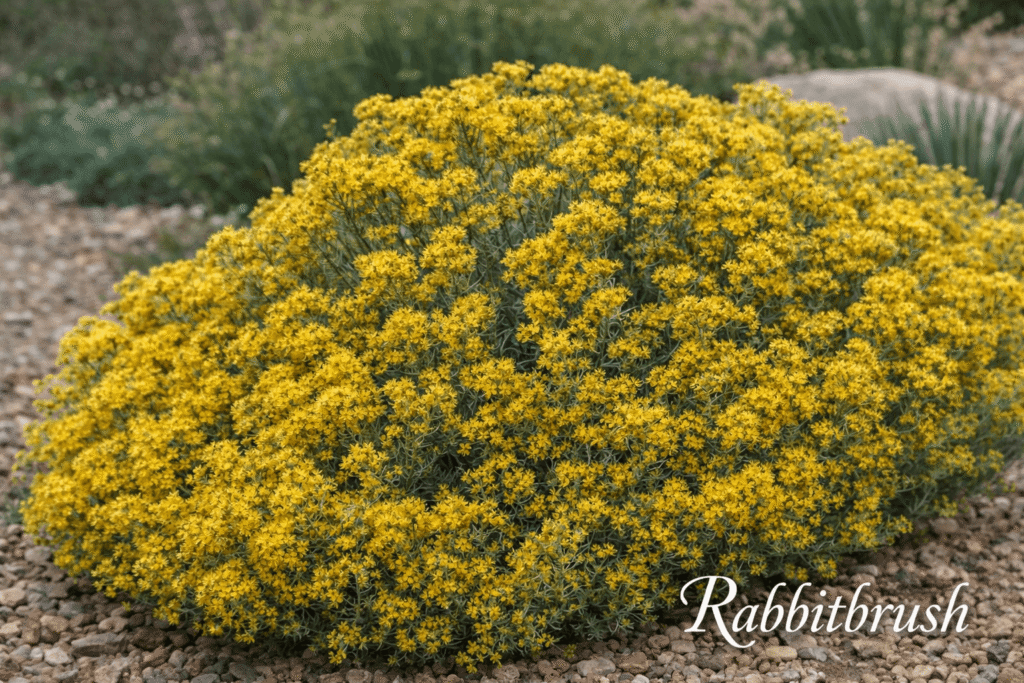
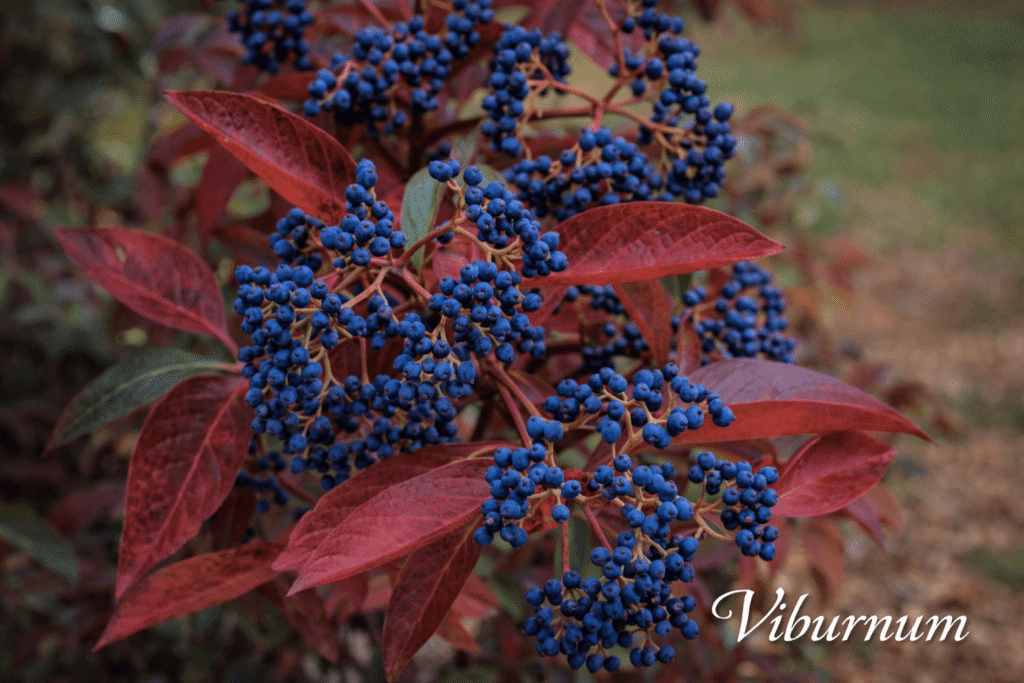
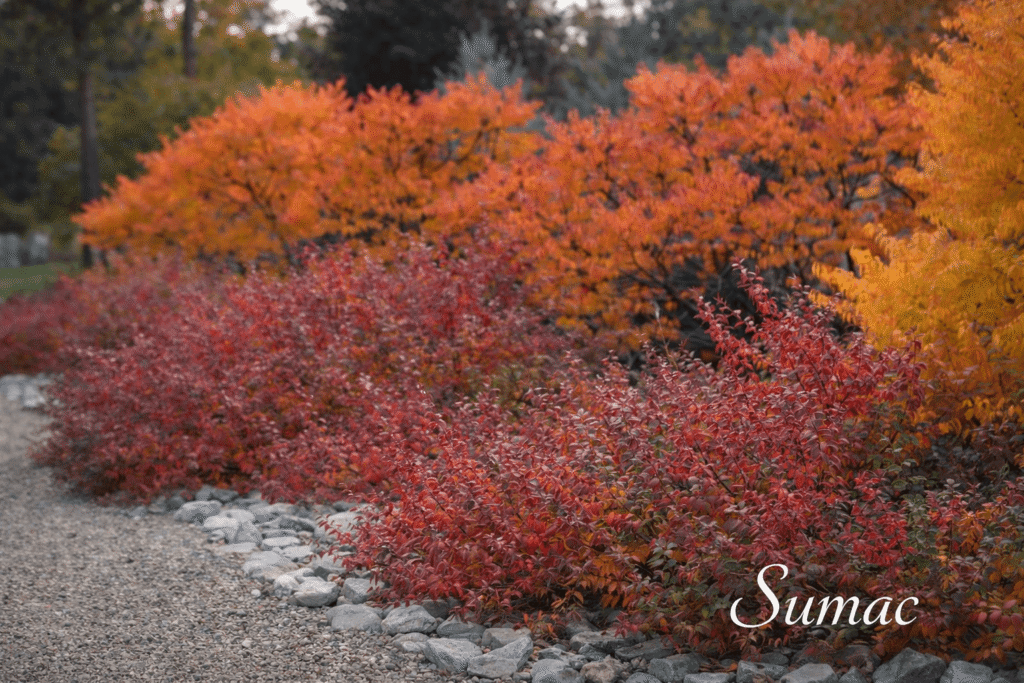
Autumn deserves equal attention. Native grasses such as ‘Northwind’ switchgrass, ‘Standing Ovation’ little bluestem, and ‘Blackhawks’ big bluestem anchor the fall garden and add motion, texture, and color that transition beautifully into winter. Combine them with asters, smokebush, Oregon grape holly, viburnum, rabbitbrush, and sumac, plants that not only shine in fall but also hold interest for pollinators and wildlife.

Let the Garden Work for Wildlife
A garden with seasonal interest isn’t just for us; it’s also a year-round habitat for bees, butterflies, and birds. Joe Pye weed feeds pollinators late in the season, while its hollow stems become winter housing for beneficial insects.
When we leave seedheads from coneflowers, milkweed, or baptisia standing through winter, we’re not just keeping the garden beautiful, we’re giving wildlife a place to ride out the cold months. Seasonal interest and ecological health go hand in hand.
