

Gardening is more than a hobby. It’s a lifestyle.
Think spring is the best time to plant? Think again.
If you’re waiting until spring to plant your trees, shrubs, and perennials, you may be missing one of the best planting opportunities of the entire year.
Fall is for planting, and in Colorado, that can be especially good news for your garden and your pocketbook.
The temperatures are cooler. The soil is still warm. Plants have finished putting on their summer growth, demanding less from the root system. And they have less stress from heat. While you may be finished thinking about gardening for the season, get a jump on spring and save 30 to 50 percent during fall sales at the retailer.
Garden Wise Guy Tip: Ask about the store’s plant warranty. Not all stores offer a warranty when plants are on sale. If there is a warranty, keep your receipt in a safe place. A picture on your phone works well. Do not expect the store to be able to find a copy of your receipt next year.
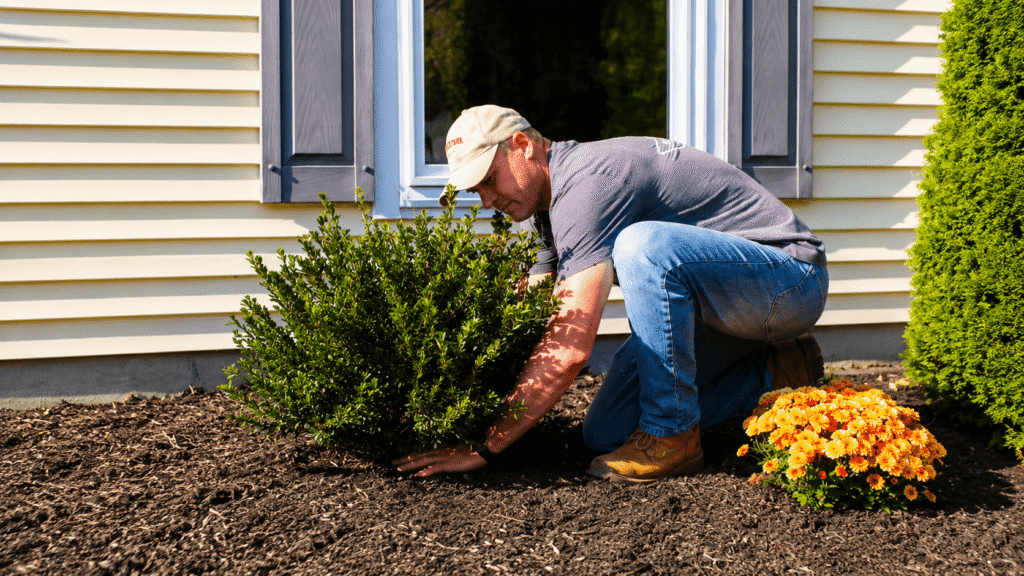
Why Spring Planting Can Be Tough
Spring feels like the natural time to plant. Garden centers are overflowing with plants, gardeners are anxious to get outside, and everything seems to be waking up.
But spring planting comes with a challenge. A newly planted tree, shrub, or perennial has to do several things at once: root growth, top growth, and preparation for the heat and dryness of summer.
In Colorado especially, a newly planted addition can face late frosts, hot temperatures, dry winds, and increasing water demands just weeks after being planted. The result is often more watering, more transplant stress, and more attention from you.
The Solution: Plant in the Fall
Fall gives plants a tremendous advantage. As air temperatures cool, plants do not have to work as hard to support leaves and top growth. But the soil can remain surprisingly warm well into autumn.
That creates an ideal situation for many plants:
Cooler air + warm soil = excellent conditions for root development.
Instead of putting all its energy into producing new leaves and flowers, a newly planted perennial, tree, or shrub can concentrate on establishing its root system. And that is exactly what you want. Because when spring arrives, a well-established plant can hit the ground running.
Why Fall Planting Work?
1. Cooler temperatures reduce stress
Planting during the cooler days of fall means newly transplanted plants are not immediately battling the intense heat of summer. That is especially helpful for trees and shrubs, which can take time to recover from transplanting.
2. The soil is still warm
This is the secret weapon of fall planting. Even when the air becomes chilly, the soil retains heat. Roots can continue growing after the plant’s top growth has slowed down. That is a terrific head start for next spring.
3. Fall usually means less water loss
Cooler temperatures generally mean less evaporation and less moisture loss from foliage. That does not mean you can forget about watering. Newly planted plants still need consistent moisture until the ground freezes. But you are generally not fighting the same combination of heat, wind, and intense summer evaporation.
4. Spring arrives with a head start
Imagine planting a tree in spring. It has to establish roots while simultaneously producing leaves and preparing for the summer ahead. Now imagine planting that same tree in fall. It can spend much of its energy getting its roots established before spring growth begins. That is a pretty good gardening strategy.
What Should You Plant in the Fall?
Fall is an excellent time to plant many types of hardy landscape plants, including:
- Trees
- Shrubs
- Perennials
- Vines
- Ornamental grasses
- Hardy groundcovers
- Spring-flowering bulbs
It is also a great time to evaluate your landscape. Look around your garden and ask: where are the holes? Maybe you need a tree for shade. Maybe the foundation planting looks tired. Maybe your perennial garden has a few empty spaces. Or perhaps there is a spot you have been saying you will fix next spring for the last three years.
Get it done this fall.
A Few Fall Planting Rules
Fall planting is not difficult, but there are a few things you need to get right.
Choose plants that are appropriate for your climate. This is especially important in Colorado. Fortunately, independent garden centers have already done much of that work for you by selecting plants that perform well in Colorado’s harsh climate.
All you need to do is make sure you are planting your new treasures where they will receive the correct sun exposure, soil conditions, and moisture. Your garden center experts can help you sort that out.
You also have a great online resource: www.plantselect.org. Plant Select is a cooperative program between CSU, the Denver Botanic Gardens, and the local green industry that tests and recommends plants well suited for Colorado.
Dig the right hole
Do not make the planting hole unnecessarily deep. It should be only as deep as the rootball. The root flare of a tree should be visible at the soil surface, not buried beneath several inches of soil. For shrubs and perennials, plant them at approximately the same depth they were growing in their containers.
Do not turn the planting hole into a bathtub
Backfill with the soil you removed from the hole unless there is a specific reason to amend it. The goal is to encourage roots to grow outward into the surrounding native soil rather than creating a small pocket of perfect soil that roots may be reluctant to leave.
Adding a little compost, about 10 to 20 percent by volume, to the backfill is fine. Most native and xeric plants will not appreciate extra compost.
Water thoroughly
This is one of the most important steps. Before planting, make sure each pot is thoroughly watered. After planting, water deeply enough to settle the soil around the roots and eliminate large air pockets.
Then continue watering as needed based on weather, soil moisture, and the plant. Do not fall into the trap of watering on a rigid schedule. Check the soil regularly with your finger. Push your index finger into the original root ball as far as you can. If it feels moist, wait another day. If it feels almost dry, give the plant a long, deep soak.
Mulch
A 2-inch layer of organic mulch can help conserve soil moisture and moderate soil temperatures.
Winter does not mean “no watering”
In Colorado’s dry climate, your new plants will still need attention to moisture even during the winter months until the ground freezes. A good soak once a month, November through March, will usually suffice. Before watering, make sure the temperature is above freezing and the ground is not frozen. And remember, an inch or two of snowfall does not count as watering.
What About Frost?
Do not panic when temperatures start dropping. A light frost is not automatically a reason to stop planting. Hardy trees, shrubs, and perennials are designed to survive cold temperatures.
The bigger concern is giving plants enough time to push out some new roots before the really cold weather sets in. That is one reason planting earlier in the fall is generally better than waiting until the last possible moment.
The Garden Wise Guy’s Fall Planting Tip
Here is the way I look at it:
Do not plant for how your garden looks today. Plant for how you want your garden to look next year and ten years from now.
A tree planted this fall may not look dramatically different next spring. But underneath the soil, something important is happening. Roots are getting established. And those roots are the foundation for everything that comes later.
That is the real advantage of fall planting. The same is true for the other plants you put in the ground this fall.
Your Fall Planting Challenge
Before winter shuts down the garden, take a walk around your property. Find three places that could be better. Maybe it is an empty planting bed. Maybe it is a missing shade tree. Maybe it is a perennial border that needs some new life.
Write them down. Then choose one or two and plant them this fall. Your future garden will thank you. And come spring, you will be glad you did.
Shop Garden-Inspired Gear
If you are the kind of gardener who thinks about plants in every season, show the world where your priorities are. Check out GardenLife’s garden-themed tees and caps.
Final Call to Action
Do not put your garden dreams on hold until spring.
Fall is one of the best opportunities to establish trees, shrubs, and perennials for a stronger start next year.
For more practical, no-nonsense gardening advice, visit The Garden Wise Guy and follow Keith Funk for gardening information, tips, plant advice, and the latest from The Garden Wise Radio Show.
And when you are ready to wear your gardening passion, visit GardenLife for garden-themed tees and caps.