
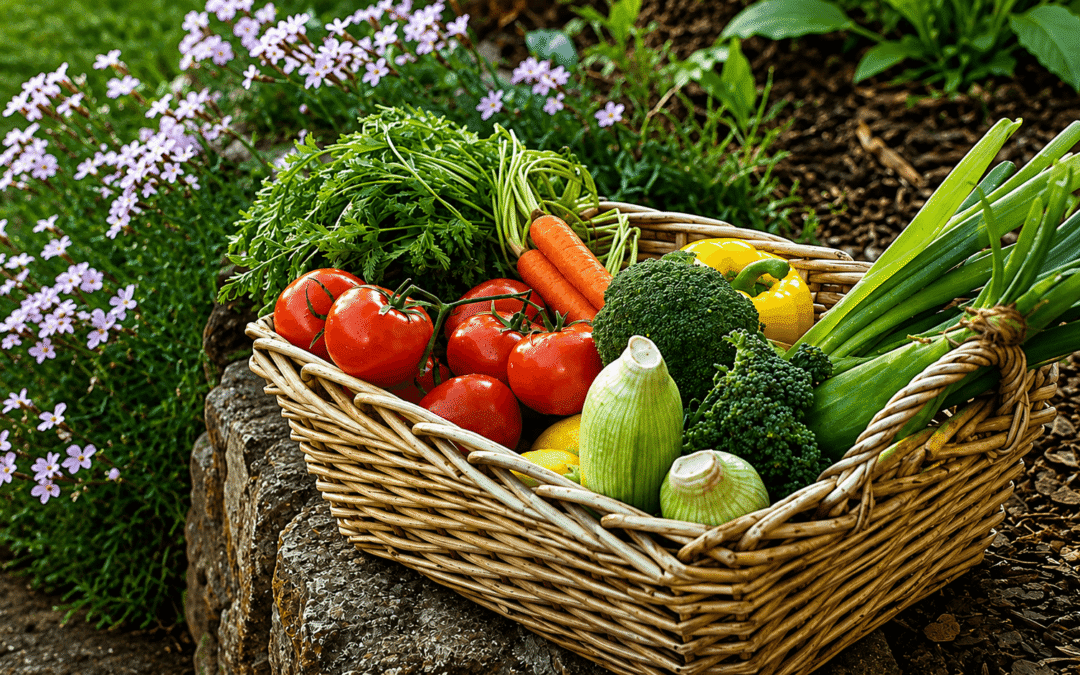
September is the Front Range gardener’s pivot month: keep harvesting and watering through warm days while preparing plants, soil, and irrigation for the abrupt arrival of frost. Denver’s average first fall frost is often in the first week of October, but elevation and microclimates can move that date earlier or later, so keep frost protection close by.
September Garden To-Do List
Harvest vegetables often and ahead of frost
Pick tomatoes, peppers, beans, cucumbers, squash, and herbs regularly while plants are productive. As cold nights approach, harvest mature green tomatoes to ripen indoors and bring in basil and other frost-sensitive herbs before a freeze is forecast.
Start turning down the sprinkler, not turning it off
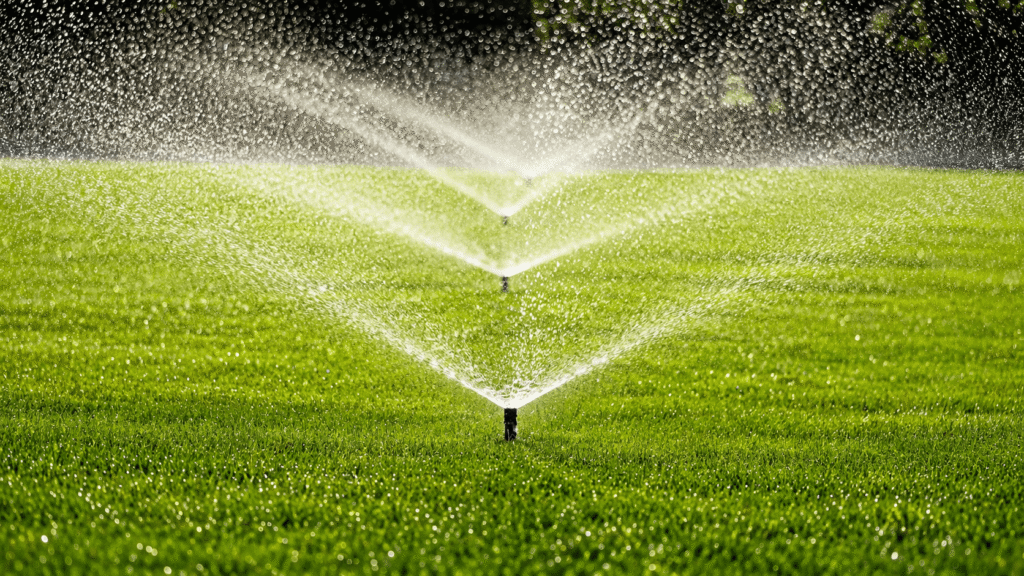
As September cools the days and slows plant growth, begin dialing back sprinkler run times and watering frequency, but do not shut the system off too soon. Lawns, trees, shrubs, and new perennials still need moisture while roots remain active, especially during Colorado’s dry, windy fall weather. Water deeply but less often, adjust for rainfall and cooler temperatures, and keep an eye on newly planted trees and shrubs.
Do not let weeds finish the job
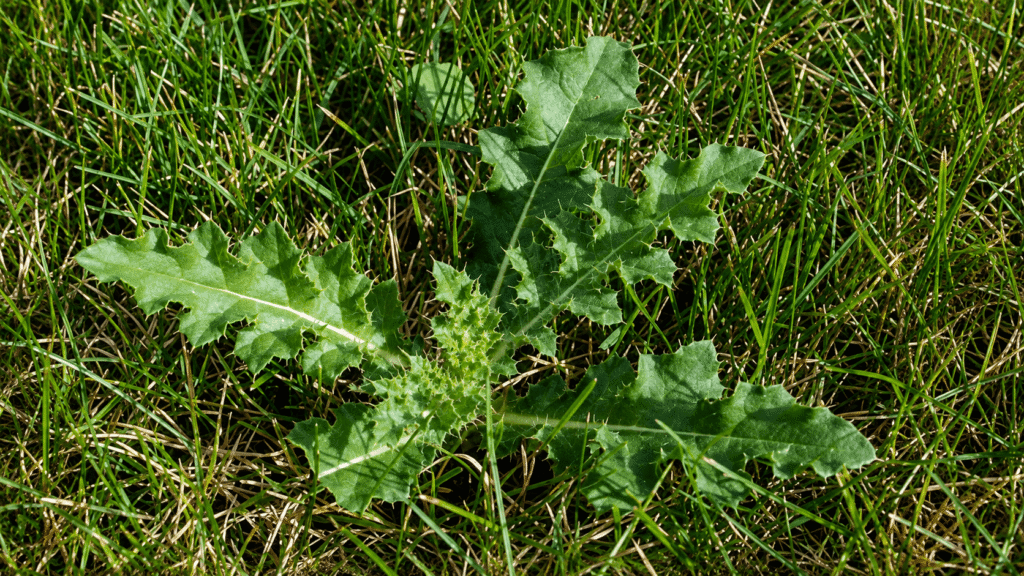
Fall is one of the most effective times to tackle stubborn perennial weeds because plants such as dandelions, bindweed, thistle, and plantain are actively moving energy from their leaves down into their roots for winter storage. When you pull, dig, or properly apply a targeted systemic herbicide while weeds are still green and growing, you are more likely to weaken or eliminate the whole plant instead of only removing the top growth. Always identify the weed first, use mulch and hand-pulling where practical, and follow every product-label direction if an herbicide is needed.
Sow quick cool-season crops
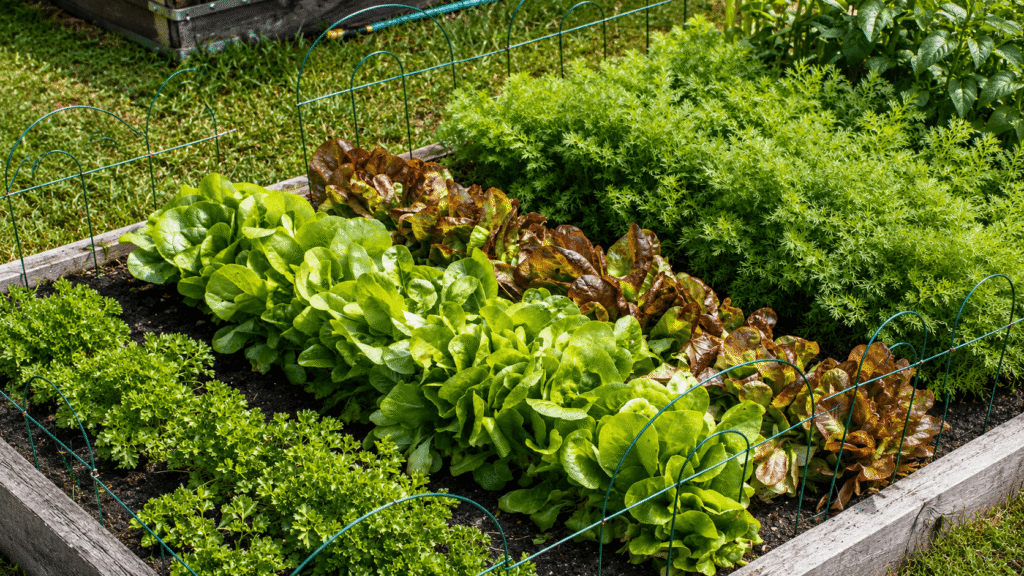
Early September is a useful window for spinach, leaf lettuce, arugula, radishes, cilantro, and other fast crops. Choose varieties with short 30-day maturity windows, water seedbeds consistently, and mulch lightly to keep the soil from drying out.
Prepare frost protection now, not after the forecast
Keep row cover, frost cloth, hoops, clips, bricks, and buckets ready. Floating row cover can provide a few degrees of protection when nights dip into the 30s, while also buffering plants from Front Range wind. Avoid laying plastic directly on foliage.
Continue deep watering, especially for trees and shrubs
Warm September soil encourages root growth, and established plants still need water when rain is scarce. Water deeply in the morning rather than giving plants frequent shallow sprinkles. Pay special attention to anything planted this year: trees, shrubs, perennials, and late-summer container plantings.
Plant spring-flowering bulbs
September through fall is prime bulb-planting time, as long as soil is workable. Plant tulips, daffodils, crocus, alliums, and hyacinths where they will receive spring sun and have good drainage. For a more natural look, plant in irregular clusters rather than single-file rows.
Refresh mulch and clear disease-prone debris
Apply a shallow 2-inch layer of organic mulch around trees, shrubs, and perennial beds, keeping it a few inches away from trunks and stems. Remove fallen leaves or spent plant material that showed disease symptoms, such as powdery mildew, leaf spot, or tomato blight, rather than composting it at home. Mulch conserves moisture and moderates fast Colorado temperature swings.
Plant or relocate hardy perennials
Early September can be a great time to plant hardy perennials or divide crowded clumps, provided you can water them consistently until the ground freezes. Focus on plants that will have several weeks to establish roots, such as coneflower, penstemon, salvia, yarrow, daylilies, and ornamental grasses. Skip dividing spring-blooming favorites like peonies if they are stressed or dry.
Care for the lawn while it is actively growing
Fall is an excellent season to aerate compacted turf, overseed thin areas, and fertilize if your lawn-care plan calls for it. Mark sprinkler heads before aerating, mow as long as grass is growing, and keep mowing height around 2.5 to 3 inches.
Leave some seed heads, but tidy strategically
Let sturdy perennials such as coneflower, rudbeckia, sedum, ornamental grasses, and native plants stand for winter texture and bird food. Cut back only plants that are diseased, collapsing onto paths, or likely to spread unwanted seed. Most ornamental grasses are best left standing until early spring.
Schedule your sprinkler blowout and make a winter-water plan
Do not wait until a hard freeze catches you by surprise. Arrange for irrigation winterization in time to protect pipes and backflow devices. After the system is off, remember that Front Range trees and shrubs may still need deep winter watering about monthly during dry, above-freezing periods.
September Priorities
If time is short, focus first on these essentials:
- Harvest tender crops before frost
- Keep new plantings deeply watered
- Protect or bring in cold-sensitive plants
- Remove diseased debris
- Prepare irrigation for winter shutdown
September is not the end of the garden. It is the handoff from summer abundance to next spring’s success. A little attention now pays off in healthier soil, better winter survival, and a stronger start when Colorado’s growing season returns.
Shop Garden-Inspired Gear
Browse the ShopGardenLife collection for garden-inspired tees and products made for people who love growing, learning, and living the garden life.