
There is no quick way to control bindweed in a Colorado garden. What works is starving it — cutting or smothering the top growth every single time it appears, for two or three seasons, until the root system runs out of stored energy. Pulling it once does nothing. Rototilling makes it worse.
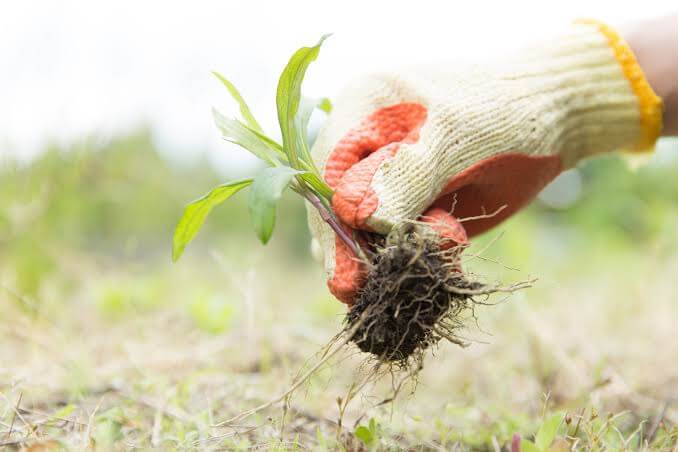
Why This Matters in Colorado
Field bindweed is the weed Keith gets asked about more than any other, and Colorado suits it almost perfectly. It handles drought, alkaline soil and heat without complaint, and its root system can reach twenty feet down — well below anything you will ever dig out. Our dry summers weaken plenty of garden plants; they barely inconvenience bindweed.
The part that catches people out is the roots. Every fragment left in the soil can start a new plant. That is why turning a bindweed patch with a tiller is the single worst thing you can do: you take one plant and make fifty.
How to Control Bindweed, Step by Step
- Cut, do not pull. Snip or hoe every shoot at soil level the moment you see it. You are not trying to remove the plant — you are trying to stop it photosynthesising.
- Be relentless about the schedule. Every ten to fourteen days through the growing season. Missing a month undoes a lot of work, because the vine refills the roots fast.
- Smother what you can. Cardboard topped with several inches of mulch, left in place for a full season, exhausts a patch faster than hand work alone. Overlap the edges — bindweed finds gaps.
- Plant into the space. Bare ground is an invitation. Dense perennials or a thick groundcover give bindweed far less light to work with.
- If you use a herbicide, time it for autumn. Late-season applications travel down into the roots with the plant’s own sugars. Spring sprays mostly burn the top and leave the roots intact. Read and follow the label, and keep it well away from anything you are growing to eat.
Common Mistakes
- Rototilling. Multiplies the plant. Never do it in a bindweed patch.
- Pulling once in spring and calling it done. The roots are untouched and it will be back within weeks.
- Thin mulch. Two inches of bark will not stop it. It needs a light-proof barrier and real depth.
- Expecting one season to finish it. Two to three years of consistent pressure is a normal, honest timeline.
The gardeners who beat bindweed are not the ones who found a clever product. They are the ones who kept cutting it back on a schedule until it gave up.
Related Garden Wise Resources
- Critter Confrontations — repellents, barriers and what actually deters garden pests
- Does a compost bin need full sun?
- Raised bed gardening for beginners
Still have a gardening question?
Keith answers Colorado gardening questions on the radio show and online. Tell him what you are growing, where in Colorado you are growing it, and what is going wrong.
Want seasonal Colorado gardening guidance?
The Garden Wise Journal arrives once a month with what to do in the garden right now, plus show updates from Keith.