
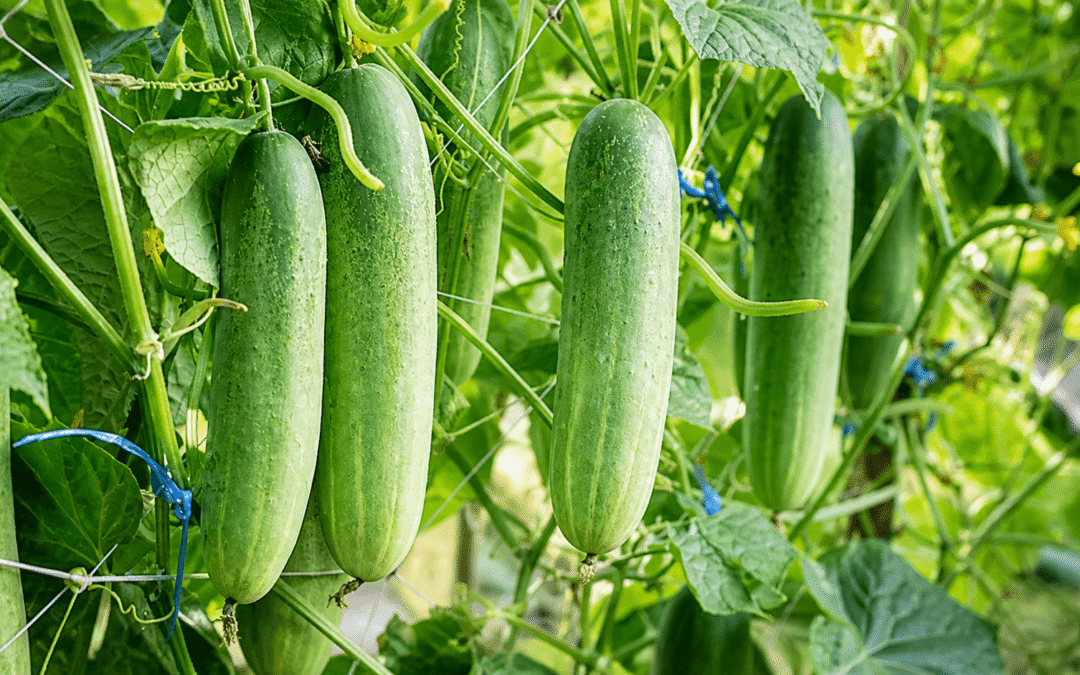
If your native soil is a mess—or you just want control—containers are a smart way to grow cucumbers in Colorado. But here’s the deal: containers don’t forgive mistakes. You’ve got to stay on top of things.
Container & Soil: Bigger Pot = Bigger Harvest
Most people go too small. That’s mistake #1.
Use at least a 14”-16” container per plant. A whiskey barrel half (23”) sized container or larger will allow you to grow multiple plants per container and won’t dry out as quickly. Plastic, fiberglass, ceramic, wood? It doesn’t matter. Just make sure there are plenty of drainage holes in the bottom or the sides.
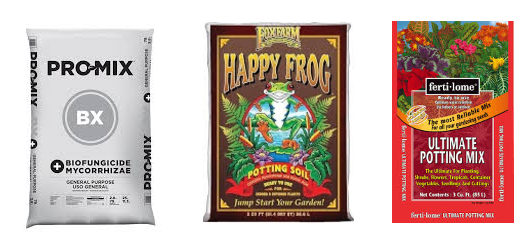
Use a high-quality potting mix. Fertilome Ultimate Potting Mix, Pro-Mix, Fox Farm Happy Frog potting soil bags are my go-to favorites. I add some of my own, home-made compost to the potting mix. About 20% by volume.
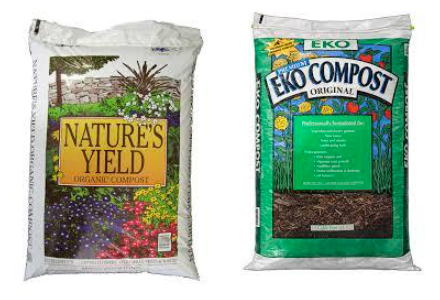
You can purchase bagged compost as well as long as it is good quality, like EKO or Nature’s Yield compost. Avoid adding any of your native garden soil, as it may contain pathogens that could be problematic for the plants.
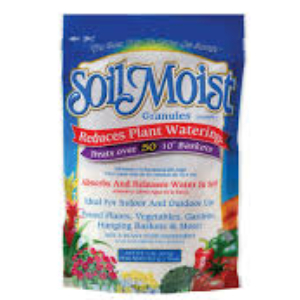
A trick I use is adding a soil polymer like Soil Moist to retain moisture longer. Great for gardeners who are at work all day and don’t get home in time to water a dry container
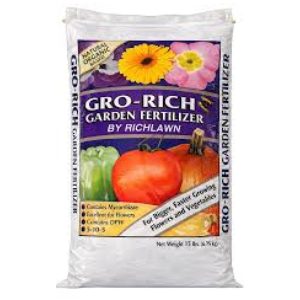 After filling the container(s), mix in a slow-release, granular, general-purpose, vegetable garden food into the top 6-8” before planting. An analysis with a ratio of 5-10-5 or 10-10-10 is great. I like Richlawn Grow Rich Garden Fertilizer. As always, follow label directions as to reapplication frequency and rate.
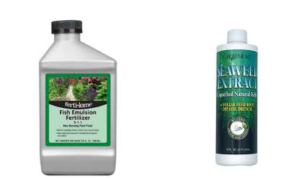
Potting mixes have very little nutrient content, and cucumbers are hungry plants. Plus, when you water, nutrients are lost with the water that drains out the bottom of the pot. Your plants will be relying on you to supply every bit of nutrition they require to produce a crop. So be sure and show them some love with feeding on a regular basis. I will even supplement the granular feed with a liquid fertilizer like Fish Emulsion or Liquid Seaweed in mid- to late summer when the plants are large and full of fruit.
💧 Watering: This Is Everything in Containers
If you mess this up, nothing else matters.
- Large pots really help with watering issues as the larger soil volume holds more water. Like I said earlier, the addition of a soil polymer like Soil Moist granules will increase the water-holding capacity of your soil and will help keep the soil evenly moist between waterings.
- Newly planted transplants will need to be watered lightly and frequently, but only enough to wet the new rootball until it roots into the surrounding soil. Probably only 7-10 days.
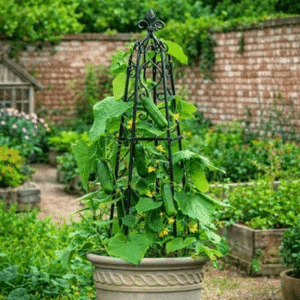
As the season progresses, check soil moisture daily. I use my index finger. Insert into the soil to your second knuckle. If the soil feels moist, don’t water. You can also use a moisture meter. Apply enough water to thoroughly soak the entire rootball. About 15-20% of the water you apply should run out the bottom of the pot.
Mulch the top to slow evaporation
☀️ Sun & Placement
- Full sun (6–8+ hours minimum).
- Watch for extreme heat—containers can overheat roots. For this reason, I typically don’t recommend using black pots.
- Placing pots near walls can help early and late seasons.
🗓️ Timing
- Same rule: don’t plant before mid-May. Direct seed into the pot, or plant small transplants.
- The advantage? You can move containers when weather turns on you
🧱 Trellising: Non-Negotiable
If you’re growing cucumbers in a container and not going vertical, you’re making it harder than it needs to be.
- Use a trellis, cage, or stakes
- Keep vines controlled and off the ground
- Better airflow, better production
- Straight fruit
- Keeps the fruit and the vines away from ground pests.
✂️ Pruning
- Remove yellowing leaves. This doesn’t necessarily mean something is wrong. Leaves have a lifespan on the plant; any single leaf will not last the entire season.
❄️ Best Cucumber Varieties for Containers (Colorado-Friendly)
You want compact, productive plants.
Bush varieties Best for Containers:
- Bush Champion
- Spacemaster 80
- Salad Bush
- Patio Snacker
- Pick a Bushel
Vining varieties for Larger Containers (need trellising):
- Diva
- Marketmore 76
- Straight 8
- Poinsett 76
- Tsuyataro (a new favorite of mine)
Gardening isn’t just a hobby… it’s a lifestyle.
Stay Garden Wise, My Friends
Keep your shovel sharp, be careful where you dibble, and stay Garden Wise.
Radio Show
Saturday Mornings
Catch The Garden Wise Radio Show for practical garden talk.
Shop Now
Garden Lifestyle Gear
Browse Clever Gardening tees, hats, and gifts.