
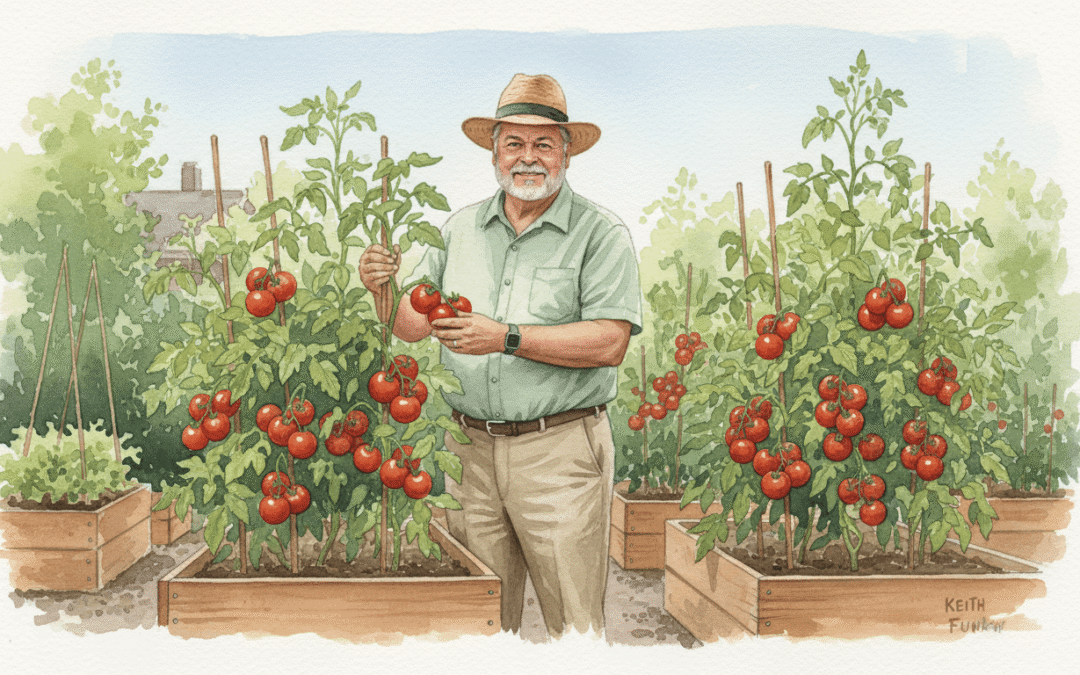
How to Grow Tomatoes Successfully in Colorado
If you’ve ever tried growing tomatoes in Colorado, you already know, it’s not exactly California out here. Short season, wild temperature swings, intense sun, and wind that doesn’t quit. But here’s the good news, once you understand how to work with Colorado instead of against it, you can grow incredible tomatoes.
Let’s break it down simply.
Soil: This Is Where Most People Mess Up
Our native soil? Usually clay, sand, or something in between that tomatoes hate.
Here’s what you do:
 Amend the soil every year. Apply a 3-4” layer of good-quality compost and well-aged manure. Then, thoroughly dig it in or rototill it into the ground as deeply as you can. Ideally, 8-12” deep. Each year your soil will get better and better. Tomatoes like rich, organic, well-drained soil.
For Raised Bed Gardening:
- For new beds I recommend purchasing a Raised Bed Mix. Available in bags or bulk(most affordable). Do Not fill your raised beds with Topsoil or straight Compost.
- If you have existing raised beds, amend the soil every year. Mix in a LOT of compost and well-aged manure, I’m talking a total of 3-4” deep. Then, thoroughly dig it in or rototill it into the ground as deeply as you can. Ideally, 8-12” deep. Each year your soil will get better and better. Tomatoes like rich, organic, well-drained soil.
- If your raised bed has an open bottom, I prefer not to line the bottom with weed fabric. Best to incorporate some of your new soil mix with the existing native soil at the bottom to create a transition between the two soil types. Deep-rooted vegetables, small fruits, and other perennial vegetables will appreciate the extra root room.
- If your raised bed has a solid bottom, be sure there are drain holes at regular intervals to allow excess moisture to drain out.
- Finally, make sure the raised bed you are building or buying will be deep enough for the plants you want to grow in them. Shallow-rooted veggies like lettuce, spinach, radishes, and most herbs only need 6-8” of soil depth, while larger-growing plants like tomatoes, squash, and cucumbers will appreciate at least 16” of soil depth. Another reason I like raised beds open to the native soil below.
- Tomatoes can also be grown in large containers.
Invest in your soil. If your soil sucks, your tomatoes will too.
Watering: Consistency Wins
This is huge in Colorado because things dry out fast. And raised beds in general dry out more quickly than ground beds.
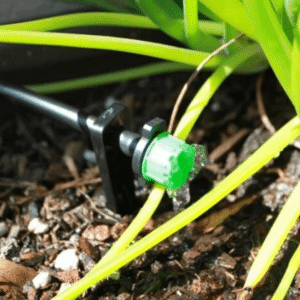
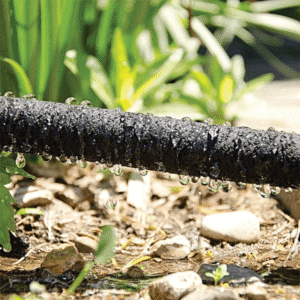
- Water deeply a couple times a week rather than a shallow sprinkle every day to encourage deep roots.
- When planting young transplants, frequent, shallow watering is required for them to root in. Once established, you can reduce the frequency and increase the duration of watering. Encouraging the water and roots to go deeper and deeper into the soil profile.
- In hot weather, you may need more. Check the soil moisture frequently with a moisture meter, or my favorite method, with a trowel. Dig down several inches deep to see what the moisture level is like. If it’s moist, wait another day or two.
- Use drip irrigation, soaker hoses, or other irrigation methods that apply the water low and slow.
- Mulch everything with an inch or two of straw, ground-up leaves, dried grass clippings, or compost.
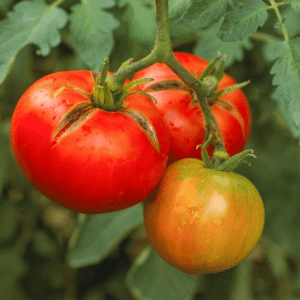
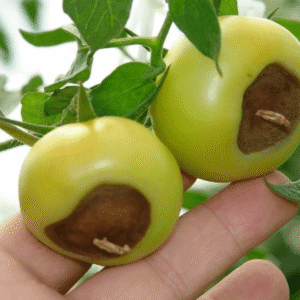
Inconsistent watering = cracked fruit, stressed plants, and blossom end rot.
Fertilizer: Don’t Forget. Tomatoes are hungry, hungry plants.
A lot of gardeners apply fertilizer with no idea of what their soil needs to be productive. If they apply any fertilizer at all. Test your soil every few years to see what is missing and what you have plenty of. Then choose a fertilizer analysis that matches those needs.
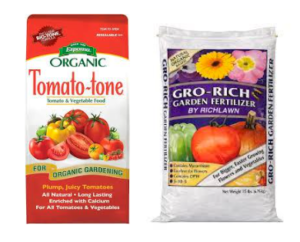
- In general, start with a slow release, balanced fertilizer at planting. I like to use a granular fertilizer with an analysis similar to 10-10-10 at planting time. Then applied on a regular basis (label directions) throughout the growing season. Leaves are the energy source of the plant, so don’t shy away from nitrogen. Without good healthy leaf production, you can’t have good fruit production. Most books will tell you not to apply too much nitrogen. It seems to me that the best advice is not to apply too much of any nutrient.
- Let your soil test be your guide. My soil is always very low in nitrogen. I suspect most gardens are the same.
Timing: This Can Make or Break Your Season
- Mother Nature will punish you if you plant too early.
- Wait until after last frost (usually mid-May)
- Soil temp should be around 60°F. There is no benefit to planting early into a cold soil. Your plants won’t grow, and the roots may just rot. Remember, these are tropical plants.
- Want a head start? Use Wall O’ Water or similar covers, but warm the soil first before planting. A layer of clear plastic over the soil for a few days will warm the soil quickly.
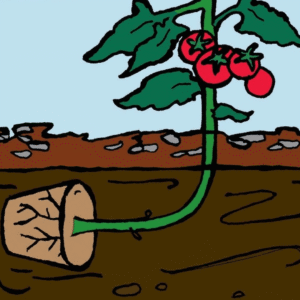
- In warm climates, where the soil warms deeply, many gardeners plant their tomatoes in a deep hole, burying part of the stem. The buried stem will root out, giving the plants extra nutrient and water-gathering abilities. If you want to accomplish the same thing here in Colorado, lay your plants horizontally in a shallow trench, covering the lower section of stem with soil and bending the top upwards out of the soil. This method keeps the plant in warm soil where the stem can root out rapidly. Jump the gun, and you’ll be replanting.
Caging & Support: Do It Right the First Time
Between wind and fast growth, tomatoes need support.
- Use tall or stackable strong cages or stakes for the tall-growing, indeterminate varieties of tomatoes, not those flimsy little things.
- Put them in at planting. There is nothing more frustrating than trying to add support to an already out-of-control plant.
- Determinate varieties do not grow so tall, so smaller cages work fine.
- Some folks let their tomatoes just sprawl all over the ground with no support. I find this exposes the foliage and fruit to soil-borne pests and diseases. It also makes harvesting difficult.
Pruning: Keep It Simple
- Some folks subscribe to the “remove all the suckers for bigger fruit” method. I personally don’t do that. More branches mean more flowers, which means more fruit. If the plants are properly watered and fed, the fruit size will not suffer.
- Remove yellowing leaves. They have a lifespan on the plant, and yellowing of the oldest leaves from the base up is normal.
- Don’t go crazy. Leaves protect fruit from sunburn at our elevation. Removing leaves to expose the fruit to the sun will not quicken ripening.
Pests and Diseases. Keep your plants healthy, and they shouldn’t be a problem.
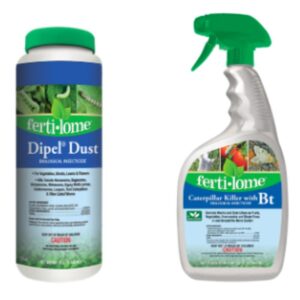
- Tomato Horn Worm. A LARGE caterpillar of the Sphinx Moth. Also called the Hawk Moth or Hummingbird Moth. While the moths are adorable, they lay eggs on the tomato plant and and the resulting larvae can defoliate a plant in a remarkably short period of time. Hand-picking them off is usually the best solution, but they can be very difficult to spot. I found, when my boys were young, they could spot the worms a mile away. I paid them a nickel a piece for every worm they found. They loved playing with them. My old eyes are not quite so sharp. So I use a dust called Fertilome Dipel, or the equivalent in a liquid called Fertilome Caterpillar Killer with Bt.. A naturally occurring bacterium that is specific to caterpillars and does not harm beneficials like bees.
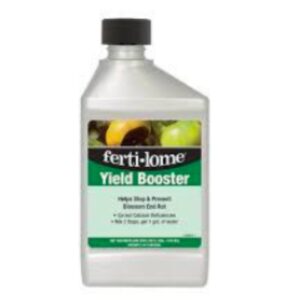
- Blossom End Rot. This is not a disease or insect but presents itself as such. BTE is a cultural problem. Usually an issue of inconsistent watering, allowing the plant to get too dry. It can also be from lack of calcium. Or a combination of both. Adding calcium is best done with a product with immediately available calcium. Not eggshells.
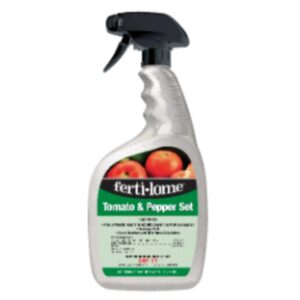
- Flowers but no fruit set. Did you know that tomato flowers are not bee-pollinated? They are self-pollinating, but sometimes that can go wrong. Typically when temperatures are either too cool or too hot (over 95F). There are a couple of solutions. First you can tap the clusters of flowers with your fingers in order to dislodge the pollen for pollination. Or, you can spray the flowers with a product called Tomato/Pepper set to trick the flowers into setting fruit without getting pollinated. This spray is totally natural and not harmful to beneficial.
Best Tomato Varieties for cooler climates like Colorado
You want early and cold-tolerant. Our night temperatures, even in the middle of summer, cool down significantly, which slows tomato growth and fruit ripening.
Some solid picks:
- Early Girl
- Better Boy
- Super Fantastic
- Ace
- Jetstar
- Siberian
- Celebrity
- Glacier
- Fourth of July
- Sungold Cherry
- Sweet One Million Cherry or similar.
- Roma types for sauce
- Yellow or Red Pear varieties.
These actually have a chance in our short season. But always try a new variety or two every season. It’s fun to experiment, and you may just hit a home run.
Gardening isn’t just a hobby… it’s a lifestyle.
Stay Garden Wise, My Friends
Keep your shovel sharp, be careful where you dibble, and stay Garden Wise.
Radio Show
Saturday Mornings
Catch The Garden Wise Radio Show for practical garden talk.
Shop Now
Garden Lifestyle Gear
Browse Clever Gardening tees, hats, and gifts.